













Key Takeaways
- New recycling technologies are revolutionizing how plastic waste is managed and processed.
- Bio-inspired materials and smarter design approaches enhance the usability of recycled plastics.
- Collaborative efforts across sectors and strong policies underpin sustainable plastic reduction.
Table of Contents
- Advanced Recycling Technologies
- Bio-Inspired Materials
- Community-Driven Initiatives
- Policy and Regulation
- Corporate Responsibility
- Consumer Education
- Future Prospects
Plastic pollution is one of the most significant environmental challenges today. Addressing this issue calls for a combination of new approaches, scientific breakthroughs, and community collaboration. As industries and local governments search for ways to reduce plastic waste, several emerging strategies have shown promise in creating a more sustainable future. One such example is plastic recycling, which plays a crucial role in the overall strategy for reducing plastic’s impact on our ecosystems.
Individuals, companies, and governments are increasingly adopting technologies designed to both minimize the creation of new plastic and maximize the recovery of plastics already in circulation. These innovative solutions, when combined with strong policy support and community-driven action, form the backbone of comprehensive waste reduction efforts.
While technological advancements are driving change, access to reliable raw materials plays an equally vital role in strengthening sustainable supply chains. Finding a trusted Plastic Supplier can be essential for businesses hoping to shift toward recycled content and more eco-friendly operations.
Advanced Recycling Technologies
Innovation in recycling technology has rapidly transformed the process of handling plastic waste. Notably, researchers have developed catalytic processes that use ambient air and molybdenum catalysts to break down polyester plastics into their fundamental chemical building blocks, such as terephthalic acid. This technology is cost-efficient and can be performed under milder conditions than traditional methods, reducing energy demands and producing cleaner end products. In addition to chemical recycling, mechanical recycling processes have also improved, enabling better sorting, cleaning, and repurposing of post-consumer plastics.
Bio-Inspired Materials
Materials scientists are learning from nature to create more resilient and versatile recycled plastics. By mimicking structures like mother-of-pearl (nacre), which offers high strength and durability, engineers have enhanced the qualities of recycled plastic composites. These bio-inspired materials not only meet performance requirements but also expand the range of applications for recycled plastics, making them suitable for industries like automotive, construction, and packaging. These breakthroughs further support a circular economy, where materials are kept in use for as long as possible, lowering the demand for new petrochemical inputs.
Community-Driven Initiatives
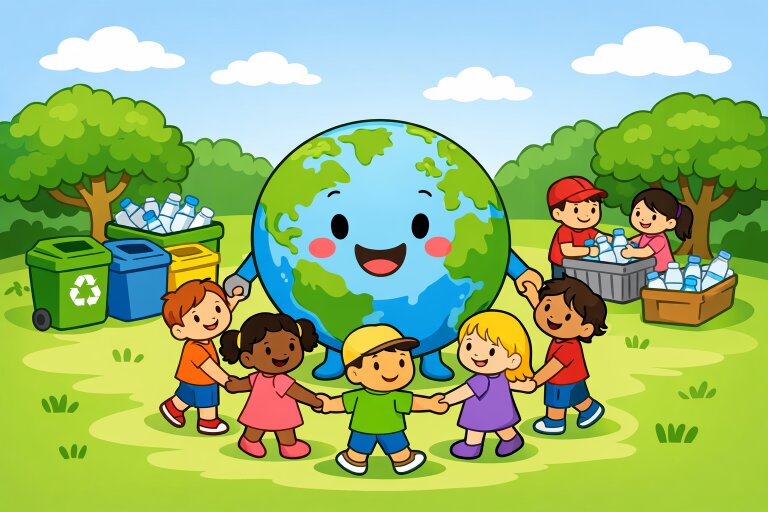
On the local level, grassroots initiatives are essential for effective plastic waste management. Community-based recycling programs not only reduce litter but also promote social and economic inclusion, particularly in regions where informal waste collection sectors are prevalent. Partnerships between municipalities, non-governmental organizations, and brand owners can help set up collection points, increase recycling rates, and foster more responsible consumption habits. Modernizing waste supply chains and supporting small recycling operations ensures that the environmental and economic benefits reach a broader segment of the population.
Policy and Regulation
Government policies are pivotal in encouraging sustainable practices and ensuring accountability. Measures such as banning single-use plastics, introducing plastic bag levies, and implementing extended producer responsibility (EPR) schemes are being enacted in countries around the world. These policies motivate manufacturers to incorporate end-of-life considerations into their product designs, invest in sustainable materials, and support nationwide recycling infrastructures. By aligning incentives for all stakeholders, governments help move society closer to a circular plastics economy.
Corporate Responsibility
Companies across the globe are reevaluating their roles in plastic production and disposal. Many have committed to reducing their use of virgin plastics, redesigning packaging, and supporting recycling initiatives. Some businesses are piloting reusable packaging models or intensifying efforts to source recycled content for their products, demonstrating an increasing recognition of their environmental responsibilities. Corporate transparency about goals and progress in reducing plastic footprints is growing, partly due to consumer demand for sustainable products and ethical practices.
Consumer Education
Public understanding of the impacts of plastic pollution remains essential to transitioning to sustainable consumption patterns. Education campaigns in schools, communities, and through media outlets can dispel recycling myths, clarify sorting instructions, and highlight the economic and social benefits of reducing plastic waste. Informed consumers are more likely to choose reusable items, recycle correctly, and support companies that prioritize green practices. Grassroots efforts empower individuals to make decisions that contribute to a cleaner environment for all.
Future Prospects
The road to a world with significantly less plastic pollution is long, but numerous scientific breakthroughs offer hope. Developments in catalytic degradation, like the use of high-entropy oxide catalysts, promise more efficient conversion of plastic waste into useful materials or energy sources, such as hydrogen. Partnerships between researchers, industry leaders, government officials, and communities enable continued advancement toward a sustainable future. With ongoing innovation, awareness, and collaboration, it is possible to greatly reduce plastic waste and preserve worldwide ecosystems for generations to come.