










High-ROI Projects: Integrating Shade and Structure
Your home’s exterior makes the very first impression. It sets the stage for your entire property and significantly impacts its value and curb appeal. In May 2026, smart exterior home improvements are more than cosmetic updates; they are strategic investments with high returns.
We understand the desire to enhance your home’s look and functionality. This comprehensive guide will explore the most impactful exterior projects, from upgrades that boost your return on investment to simple, budget-friendly ways to improve curb appeal. We will also delve into how transforming outdoor living spaces, perhaps with features like durable Alumawood shade solutions, can significantly elevate your property. Join us as we uncover the best strategies for a stunning and valuable home exterior.
When considering home improvements, especially in 2026, the exterior often outshines interior renovations in terms of return on investment (ROI). Data consistently shows that a significant majority of high-ROI projects are outside the home. This isn’t just about aesthetics; it’s about protecting your investment, enhancing functionality, and making your home more appealing to potential buyers.
Let’s look at some of the top performers:
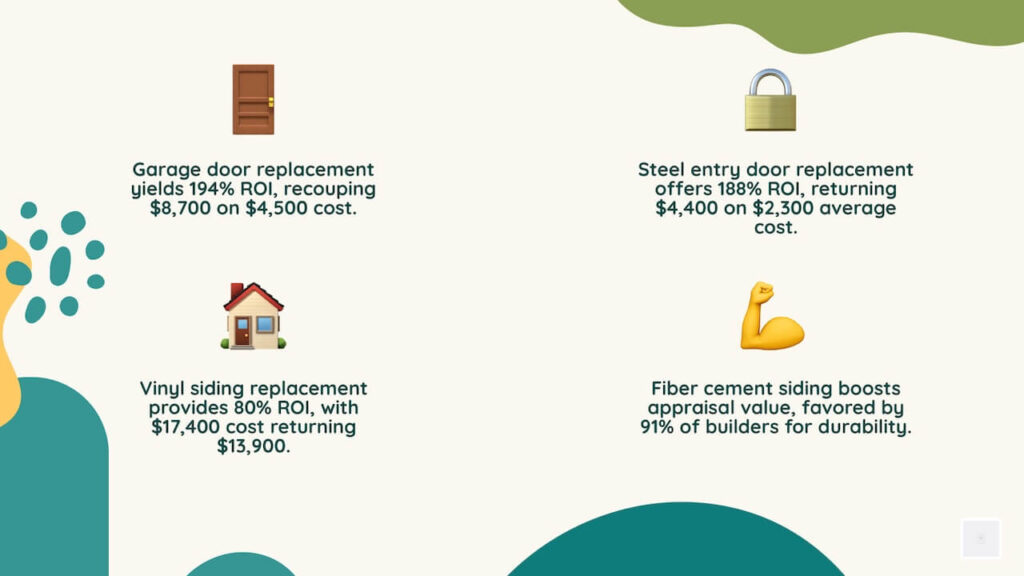
- Garage Door Replacement: This project frequently tops the charts, offering an astounding 194% ROI. With an average cost of $4,500, homeowners can expect to recoup around $8,700. A new garage door not only enhances curb appeal significantly but also improves security and insulation. For inspiration and practical advice on upgrading this crucial facade element, explore resources on Exterior garage door improvements.
- Steel Entry Door Replacement: Replacing your front door is another powerful investment, boasting a 188% ROI. An average cost of $2,300 can yield a return of $4,400. This upgrade instantly boosts curb appeal, improves security, and can even enhance energy efficiency.
- Siding Replacement: Whether it’s vinyl or fiber cement, new siding offers substantial value. Vinyl siding replacement, for example, has an 80% ROI, with an average national cost of $17,400 and a return of about $13,900. Fiber cement siding, known for its durability and aesthetic appeal, is particularly favored by builders, with 91% agreeing it increases a home’s appraisal value. It provides long-term protection, reduces maintenance, and can dramatically transform your home’s appearance.
- Roof Repair/Replacement: While often a necessity rather than a choice, roof repair still offers a solid 57% ROI, with an average cost of $30,600 and a $17,400 return. A sound roof is critical for structural integrity and buyer confidence, with 72% of buyers considering a water-tight roof very important. The long-term durability of materials like metal roofs (lasting 50+ years) further solidifies this as a wise investment.
These projects don’t just add monetary value; they create a powerful first impression. Curb appeal plays a pivotal role in how quickly a home sells and for how much. Homes with well-maintained exteriors and attractive landscaping can sell for 2% more and about a day faster. This is due to buyer psychology; a well-kept exterior suggests a well-maintained interior, fostering trust and emotional connection even before a buyer steps inside. Even subtle enhancements like outdoor lighting can increase home value by 1.2%. For expert guidance on enhancing your home’s outdoor aesthetics, consider professional Exterior landscaping services.
Here’s a quick look at the ROI of some top exterior projects:
Project Type Average Cost (May 2026) Average Return (May 2026) Return on Investment (ROI) Garage Door Replacement $4,500 $8,700 194% Steel Entry Door Replacement $2,300 $4,400 188% Vinyl Siding Replacement $17,400 $13,900 80% New Composite Deck $22,000 $15,000 68% Roof Repair/Replacement $30,600 $17,400 57% The Role of Shade in Exterior Home Improvement
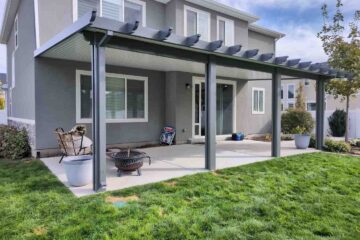
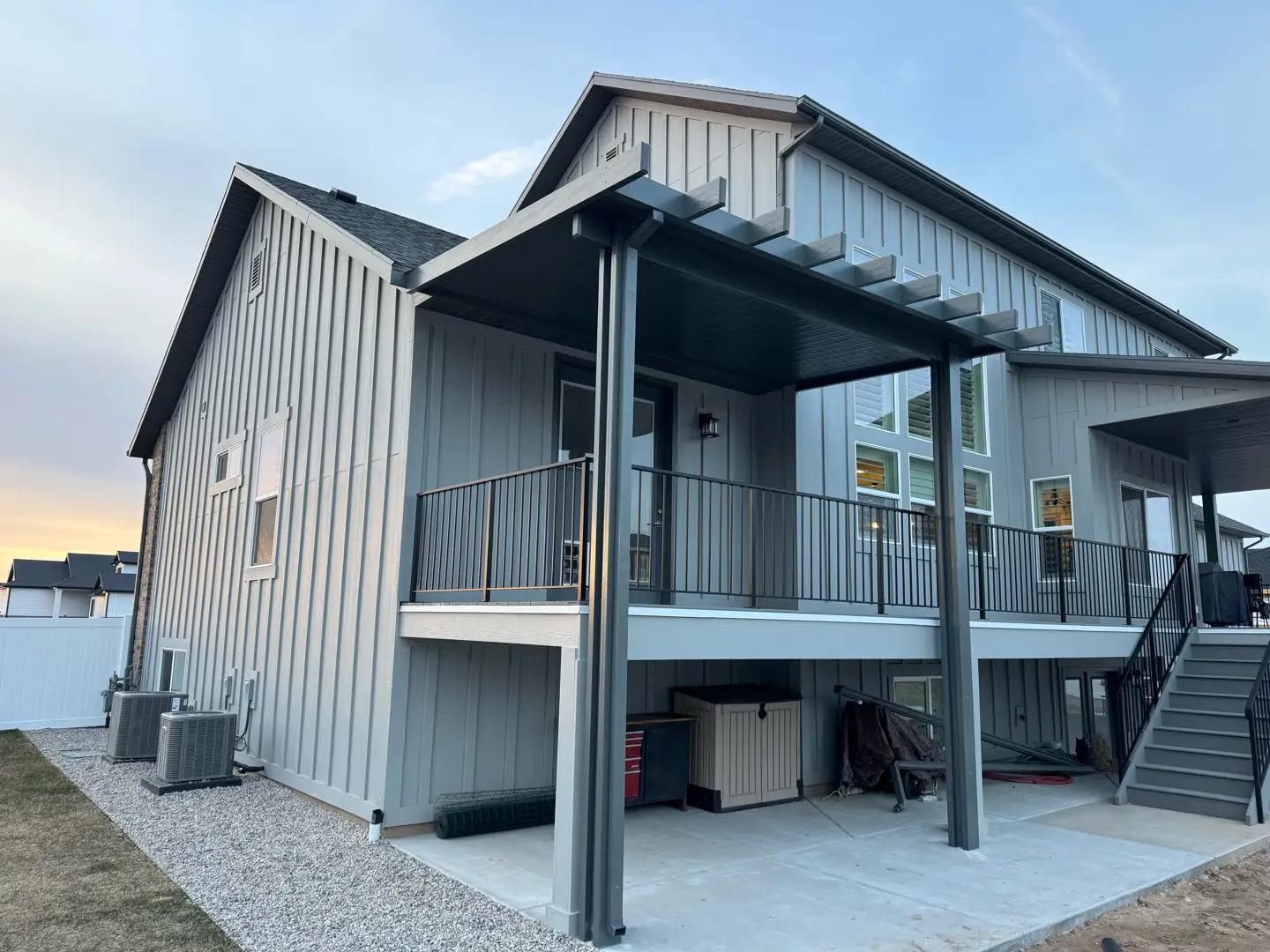
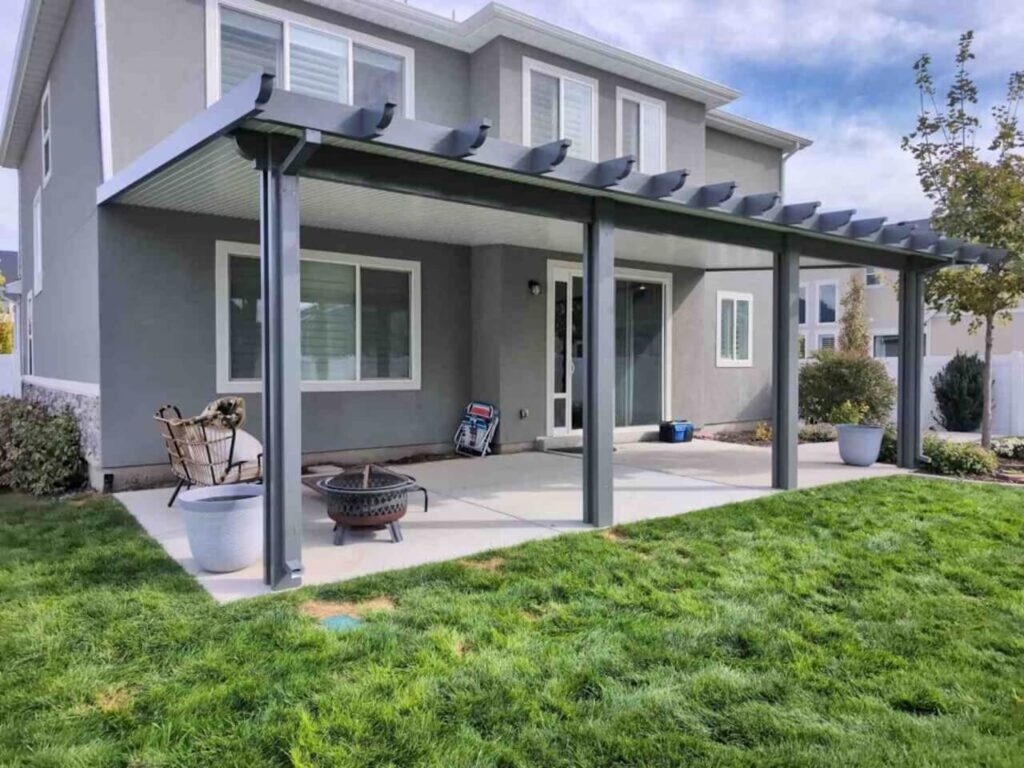
Beyond the big-ticket items, integrating shade solutions like patio covers and structural awnings offers significant value. These additions transform underutilized outdoor spaces into comfortable, functional extensions of your home. Whether it’s a custom aluminum pergola or a sturdy Alumawood patio cover, these structures provide much-needed relief from the sun, protect outdoor furniture, and create inviting areas for relaxation and entertainment.
From a value perspective, these are not just cosmetic upgrades. They enhance your home’s livability, aligning with the growing trend of outdoor living. While functional repairs (such as roof or siding replacement) address immediate needs and protect your home’s structural integrity, well-designed shade structures enhance homeowner satisfaction and a luxurious outdoor experience, which translates into higher perceived value. They represent a blend of functional repair (protection from the elements) and cosmetic upgrades (enhanced aesthetics and usability), offering a strong return on lifestyle and potential resale value.
Maximizing Outdoor Living with Structural Awnings and Patio Covers
The desire for seamless indoor-outdoor living continues to drive home improvement trends in 2026. Homeowners are increasingly looking to maximize their exterior spaces, turning patios, decks, and yards into functional extensions of their homes. This is where structural awnings and fixed patio covers become invaluable. Unlike temporary solutions, these permanent structures are designed to integrate with your home’s architecture, providing lasting comfort and style.
Investing in durable Alumawood shade solutions or custom pergolas can transform an open, sun-drenched patio into a cool, shaded oasis. These structures offer numerous benefits:
- UV Protection: They block harmful UV rays, protecting your family and pets from sun exposure during peak hours.
- Furniture Preservation: Constant sun exposure can fade and damage outdoor furniture. A patio cover shields your investment, extending its lifespan and maintaining its appearance.
- Water Redirection: Many structural awnings and patio covers can be designed with integrated gutter systems that effectively redirect rainwater away from your patio and home’s foundation, preventing erosion and water damage.
- Enhanced Comfort: By reducing direct sunlight and heat, these structures significantly lower ambient temperatures, making outdoor spaces enjoyable even on the hottest days.
While retractable awnings offer flexibility, fixed patio covers and structural pergolas provide a more robust, low-maintenance solution that seamlessly blends with your home’s design. They create a defined outdoor room, perfect for dining, entertaining, or simply relaxing.
Budget-Friendly Exterior Home Improvement Tips
Not every exterior improvement needs to be a major renovation. Many impactful updates can be achieved on a budget, significantly boosting curb appeal without breaking the bank. These smaller projects are perfect for weekend warriors or for homeowners looking to make incremental improvements.
- Pressure Washing: A thorough pressure wash can dramatically clean siding, driveways, walkways, and decks, removing years of grime, mildew, and stains. It’s a low-cost way to refresh your home’s entire exterior.
- Exterior Lighting: Strategic lighting can highlight architectural features, improve safety, and create an inviting ambiance after dark. Consider solar-powered garden lights, updated sconces by the front door, or pathway lighting. Homes with outdoor lighting can sell for 1.2% more.
- Fresh Mulch and Landscaping: Adding fresh mulch to garden beds instantly tidies up your landscaping. Planting colorful flowers or low-maintenance shrubs can add vibrancy and curb appeal. Homes with nice landscaping sell for 2% more and about a day faster.
- Front Door Refresh: A fresh coat of paint in a statement color (like black, which offers high ROI) can instantly transform your home’s entrance. Updating hardware, such as the doorknob, knocker, and house numbers, further elevates the look.
- Window Cleaning: Sparkling clean windows make a huge difference in your home’s overall appearance, both inside and out.
- Potted Plants: Strategically placed potted plants can add color and life to entryways, patios, and balconies.
Strategic Planning for Your Exterior Home Improvement
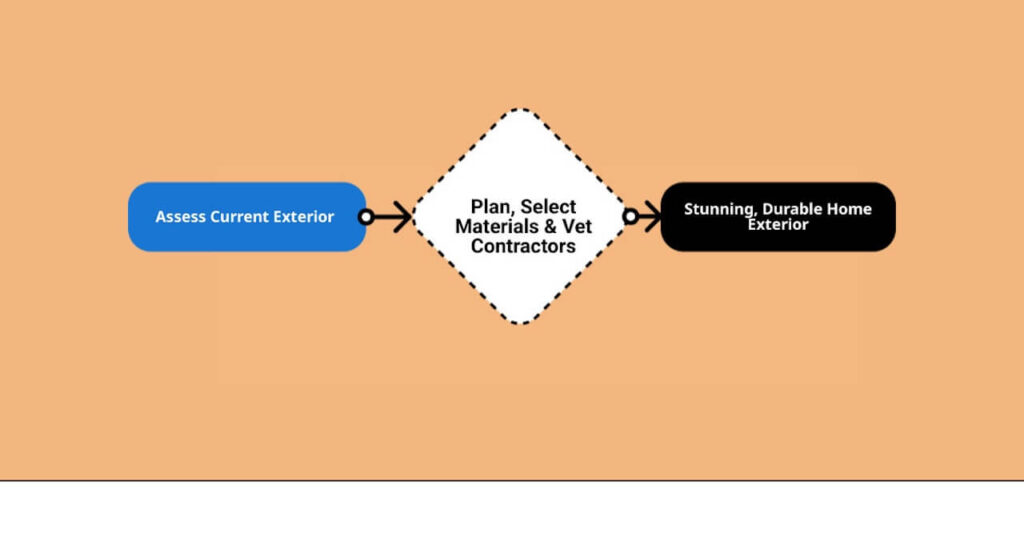
Embarking on an exterior home improvement journey requires careful planning to ensure successful outcomes, maximize value, and avoid costly mistakes. A thoughtful, step-by-step approach will guide you from initial ideas to a beautifully transformed home.
- Comprehensive Assessment: Begin with a walk-around inspection of your entire home’s exterior. Document its current state with photos, noting any signs of wear, damage, or areas needing attention. This includes checking the roof, siding, windows, doors, foundation, gutters, and landscaping. Prioritize functional repairs that address water intrusion or structural issues first, as these protect your home’s integrity.
- Define Your Vision and Style: What aesthetic are you aiming for? Modern, traditional, farmhouse, or something unique? Gather inspiration from magazines, online galleries (like Houzz), and local architecture. Consider using 3D visualization tools or AI design platforms to preview how different materials, colors, and features would look on your home before committing.
- Material Selection: Choosing the right materials is crucial for durability, maintenance, and aesthetics. Research options like fiber cement, vinyl, wood, brick, and stone for siding; asphalt, metal, or tile for roofing; and various window and door types. Consider your local climate and desired lifespan for each material.
- Budgeting and Financing: Determine a realistic budget, including a 15-20% contingency for unexpected issues. Obtain multiple quotes from reputable contractors for each project. Explore financing options such as home equity lines of credit (HELOCs), home equity loans, personal loans, or contractor-specific financing plans. Don’t forget to look into energy-efficiency tax credits or local rebates for qualifying upgrades.
- Professional Installation and Contractor Vetting: While some small projects can be DIY, most exterior improvements benefit significantly from professional expertise. When selecting contractors, verify their licensing, insurance, and ask for references from multi-component projects. Inquire about their in-house crew percentage versus subcontractors and how they manage transitions between different exterior elements (e.g., siding to windows).
- Understanding Local Regulations: Always check with your local building department for permit requirements and zoning regulations before starting any major work. This includes rules for setbacks, material choices, and structural changes. Homeowners’ association (HOA) approvals may also be necessary in some communities.
- Project Sequencing: Planning the order of operations is vital to avoid rework and maximize efficiency. Generally, structural repairs should come first. Then, prioritize projects that affect the entire building envelope, such as roofing, siding, and windows. Painting typically follows these, with landscaping and final cosmetic touches being the last steps. This ensures that heavier construction doesn’t damage newly completed work.
Material Durability in Exterior Home Improvement
The longevity and performance of your exterior upgrades depend heavily on the materials chosen. In 2026, the focus remains on durable, low-maintenance, and energy-efficient options that can withstand diverse climates.
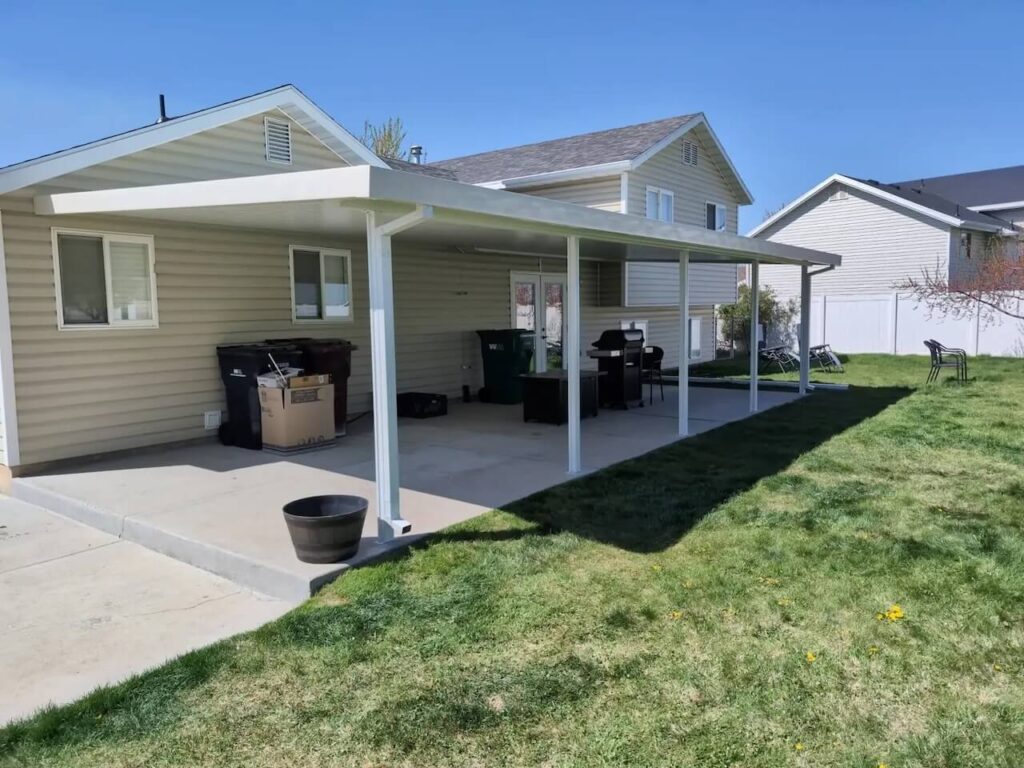
- Aluminum: Often used for structural patio covers, pergolas, and gutters, aluminum is lightweight, rust-resistant, and requires minimal maintenance. It offers excellent durability against weather elements.
- Vinyl: A popular siding choice, it is budget-friendly, versatile in color, and generally low-maintenance. Modern vinyl siding is engineered to resist fading and can include insulated backing for improved energy efficiency. Its typical lifespan is 20-40 years.
- Fiber Cement: This material, like James Hardie HardiePlank, is highly durable, resistant to rot, pests, fire, and hail. It holds paint exceptionally well, needing repainting only every 10 years, compared to wood’s 5 years. Builders frequently cite its value-adding properties, and it can last 40-50 years.
- Wood: While beautiful, wood siding and decking require the most maintenance, including regular cleaning and staining or painting every 5 years to prevent rot and insect damage. However, certain treated woods or naturally resistant species can offer good longevity with proper care.
- Metal Roofing: Known for its exceptional lifespan (40-70 years) and ability to withstand extreme weather, including 140 mph winds. Painted metal roofs retain 95% of their initial reflectance, contributing to energy efficiency.
- Asphalt Shingles: The most common roofing material, asphalt shingles typically last 20-30 years, depending on quality and climate. Approximately 33% of roofs are replaced each year due to storm damage, underscoring the importance of durable roofing.
When selecting materials, always consider your local climate. For instance, areas with harsh winters might favor insulated vinyl siding for its durability and energy benefits. At the same time, regions prone to hurricanes would prioritize wind-rated roofing and impact-resistant windows. The 2026 material trends lean towards sustainable, long-lasting products that offer both aesthetic appeal and superior performance.
Energy Efficiency and Maintenance of Shade Structures
Exterior home improvements are not solely about aesthetics; they are powerful tools for enhancing energy efficiency and reducing utility bills. By strategically upgrading your home’s envelope and incorporating shade solutions, you can significantly lower your heating and cooling costs.
- Reducing HVAC Strain: Features like structural awnings and patio covers play a crucial role in mitigating solar heat gain. By shading windows and outdoor living areas, they prevent direct sunlight from heating your home’s exterior, reducing the workload on your air conditioning system. Homeowners have reported reductions in cooling costs by up to 30% after installing effective shade structures.
- Window Upgrades: Replacing old, inefficient windows with modern, energy-efficient models featuring low-E glass and argon gas fills can drastically reduce winter heat loss and summer heat gain. These windows can reduce heating/cooling needs by 12-33%.
- Attic Insulation and Air Sealing: Up to 40% of a home’s conditioned air can escape through an uninsulated attic. Adding proper attic insulation, combined with air sealing gaps and cracks in your home’s exterior, creates a tighter thermal envelope, preventing energy waste and improving indoor comfort.
- Siding with Insulation: When replacing siding, choose insulated vinyl siding or add rigid foam insulation beneath new siding to significantly boost your home’s R-value and further boost energy savings.
To ensure your exterior upgrades, especially shade structures, continue to perform optimally and maintain their appearance, regular maintenance is key.
- Cleaning: Periodically clean your patio cover or awning to remove dirt, debris, and mildew. For aluminum structures, a simple wash with mild soap and water is often sufficient.
- Inspections: Conduct annual inspections of all exterior elements. Check for loose fasteners, damaged components, or signs of wear on your shade structures. For roofs, inspect after severe storms for missing shingles or granules in gutters.
- Moisture Management: Ensure that integrated gutter systems on your patio covers are clear and functioning correctly. Extend downspouts at least 4-6 feet from your foundation to properly manage rainwater and prevent water intrusion or erosion.
- Pest Prevention: Keep an eye out for any signs of pests nesting in or around your exterior structures. Promptly address any issues to prevent damage.
- Material-Specific Care: Different materials have unique maintenance needs. Wood siding, for example, requires restaining every 5 years, while fiber cement needs repainting every 10 years. Vinyl siding is largely maintenance-free beyond cleaning, but should be monitored for warping or fading.
By prioritizing energy efficiency and maintaining a consistent schedule, you protect your investment, save on utility bills, and ensure your home’s exterior remains beautiful and functional for years to come.
Frequently Asked Questions about Exterior Remodeling
Homeowners often have many questions when considering exterior improvements. Here, we address some of the most common inquiries to help you make informed decisions.
What are the signs that my home’s exterior needs immediate attention?
Ignoring early warning signs can lead to more extensive and costly repairs down the line. Look out for:
- Water Stains or Discoloration: On ceilings, walls, or exterior siding, indicating leaks.
- Rotting Wood: Around window frames, door frames, fascia, or trim, which can compromise structural integrity and invite pests.
- Curling, Missing, or Granular Shingles: On your roof, suggesting it’s losing its protective capabilities.
- Peeling, Cracking, or Fading Paint: Beyond aesthetic concerns, these issues can indicate underlying moisture problems or inadequate protection for your siding.
- Pest Infestation: Holes, nests, or visible pests in siding, eaves, or around the foundation.
- Foundation Cracks: Any cracks, especially horizontal ones, can signal serious structural problems.
- Sagging or Damaged Gutters: Poorly functioning gutters can lead to water pooling around your foundation, which can cause damage.
Addressing these issues promptly, starting with those that prevent water intrusion or structural damage, is crucial to protecting your home.
What financing options are available for exterior home improvements?
Funding exterior renovations can be a significant consideration. Several options are available to homeowners in 2026:
- Home Equity Line of Credit (HELOC): A revolving credit line secured by your home’s equity, offering flexibility to draw funds as needed.
- Home Equity Loans: A lump-sum loan based on your home’s equity, typically with a fixed interest rate.
- Personal Loans: Unsecured loans that can be quickly approved, but often come with higher interest rates than secured options.
- Contractor Financing: Many contractors partner with lenders to offer financing plans, sometimes with promotional rates like 0% interest for an initial period.
- Energy-Efficiency Tax Credits: Federal and state governments often offer tax credits or rebates for energy-efficient upgrades, such as new windows, insulation, or certain roofing materials—research available programs to offset costs.
- FHA 203(k) Loans: These are government-backed loans that allow you to finance both the purchase and renovation of a home, or refinance and renovate an existing home.
As of May 2026, interest rates for home equity products remain competitive, making them attractive options for financing larger projects.
How do local climate and regulations affect remodeling choices?
Local factors play a significant role in determining appropriate exterior remodeling choices:
- Climate: S now Loads: In colder, snowy regions, roofing materials and structural components for patio covers must be rated to withstand heavy snow loads.
- Wind Ratings: Coastal areas or regions prone to high winds require materials (siding, roofing, windows) with specific wind resistance ratings.
- Temperature Extremes: Materials must withstand significant temperature fluctuations without cracking, warping, or fading. For instance, vinyl siding with insulation is often recommended in regions with harsh winters.
- Humidity/Rainfall: High humidity and frequent rain require materials resistant to mold, mildew, and rot, as well as robust water management systems (gutters, drainage).
- Regulations: HOA Approvals: Many homeowners’ associations have strict guidelines on exterior colors, materials, and structural additions. Always obtain approval before starting work.
- Permit Requirements: Most structural changes, major roof work, window replacements, or additions, such as patio covers, require permits from your local building department. Failing to obtain permits can lead to fines and difficulties during resale.
- Building Codes: These codes dictate safety standards, material specifications, and construction methods. Reputable contractors will be familiar with and adhere to local codes.
- Material Curing Temperatures: Some materials, like certain paints or sealants, require specific temperature ranges for proper curing, which can influence the best time of year for installation.
- Regional Aesthetic Standards: While not strictly regulatory, understanding the prevailing architectural styles and material preferences in your area can help ensure your improvements enhance rather than detract from neighborhood cohesion and property value.
Always consult local professionals and your building department to ensure your remodeling choices comply with local regulations and are suitable for your specific location.
Conclusion
Investing in your home’s exterior is one of the most impactful decisions you can make as a homeowner in May 2026. From high-ROI projects like garage door and entry door replacements to the strategic integration of durable Alumawood shade solutions that enhance outdoor living, every upgrade contributes to a stronger, more beautiful, and more valuable property.
By prioritizing functional repairs, choosing durable and energy-efficient materials, and planning strategically, you ensure long-term structural integrity and aesthetic harmony. Whether you’re aiming for a full home exterior refresh or incremental budget-friendly updates, the rewards are clear: increased curb appeal, improved energy efficiency, enhanced lifestyle, and a significant return on investment. The 2026 market outlook continues to favor well-maintained, thoughtfully upgraded homes, making this an opportune time to invest in your home’s exterior.
Always remember the importance of a final walkthrough with your chosen professionals to ensure every detail meets your expectations, and never underestimate the value of industry-leading warranties that protect your investment for years to come. With careful planning and execution, your home’s exterior can truly become its crowning glory.