










Key Takeaways
- Upgrading your electrical panel is essential to accommodate increased power demands from modern appliances and technologies.
- Installing dedicated circuits for high-power devices like EV chargers and HVAC systems enhances safety and efficiency.
- Pre-wiring for smart home technologies and renewable energy sources ensures seamless future integrations.
- Regular electrical inspections and compliance with current codes are crucial for maintaining a safe and adaptable electrical system.
Understanding the Need for Electrical Upgrades
The average home today is much more reliant on electricity than ever before. As homeowners add electric vehicles, dedicated home-office technology, and integrated smart home systems, the electrical system’s power demand rises steadily each year. Making proactive upgrades is not only about safety but also a critical step in keeping your property functional and efficient as technology evolves. Consulting trusted electricians Washington DC, is a wise first step for any significant electrical update, as these professionals can provide guidance tailored to your specific needs and local electrical codes.
With a modern electrical system, you can support efficient power delivery while protecting your investment from overloads and outages. Whether you are remodeling an older home or building new, ensuring your system is ready for advanced appliances and growing energy needs is an actionable way to increase value and comfort. An updated infrastructure also provides the flexibility to add emerging technologies in the years ahead, which is essential in fast-paced urban areas.
Upgrading Your Electrical Panel
Your electrical panel serves as the main hub for distributing power throughout your home. In homes built before the prevalence of high-powered appliances and electronics, panels are often only rated at 100 or 125 amps. These older panels struggle to support today’s average household electricity needs. Upgrading to a 200-amp panel allows for the addition of energy-hungry amenities such as electric vehicle chargers, large-scale HVAC systems, hot tubs, and more. This improvement not only safeguards against dangerous overloads but also prepares for adding circuits in the future as your needs change.
Furthermore, upgrading your panel makes it much easier to comply with current safety standards and accommodate a wider range of home technologies. According to the New York Times, having an up-to-date panel is crucial for homeowners planning to install EV chargers or expand their home’s capabilities in any meaningful way.
Installing Dedicated Circuits for High-Power Devices
Dedicated circuits provide a direct, protected power supply to specific devices or appliances that consume more electricity. Appliances such as electric ovens, HVAC equipment, and charging stations require reliable, stable power to operate safely. When these are run on shared circuits, the risks of tripped breakers and potential fire hazards increase. Proper planning for these circuits during renovations or construction will save on costly retrofitting down the road and minimize disruptions to your daily life.
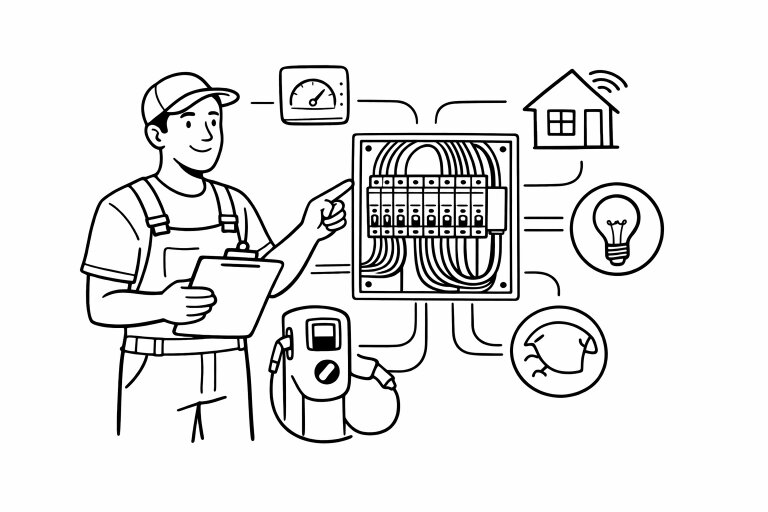
With dedicated circuits, you guarantee optimal performance and safeguard sensitive electronics from power fluctuations. This meticulous approach is especially important for homes that integrate high-end entertainment systems or use continuous heavy-duty equipment.
Pre-Wiring for Smart Home Technology
Smart home technology has moved from luxury to necessity for many homeowners. Devices such as smart thermostats, surveillance cameras, smart locks, and automated lighting rely on a robust electrical infrastructure. Pre-wiring during a remodel or new build ensures your home is prepared for these innovations and makes future upgrades seamless. Without this preemptive step, adding new smart devices could become an invasive and expensive process, requiring walls to be opened and rewired after your primary project is complete.
This forward-thinking approach ensures an efficient infrastructure to meet your current needs while enabling stress-free upgrades as new smart technologies emerge. For more tips on integrating smart home devices with ease, readers can review articles from authoritative sources such as CNET’s smart home resources.
Preparing for Renewable Energy Integration
Renewable energy integration is steadily gaining traction as solar panel systems and battery storage become more accessible. By preparing your home for future connections to these sources, you make system installation easier and ensure your panel can accommodate additional circuits as needed. Installations should include built-in conduits and space within your breaker box for additional loads. Getting ahead of these requirements will significantly reduce costs and complications when you decide to add renewable technology to your property.
Being proactive also positions your home to participate in energy-saving programs and rebate opportunities offered in many states and municipalities. By starting with an adaptable system, you make investing in renewables less daunting and far more rewarding.
Enhancing Lighting Design and Energy Efficiency
Lighting is an often-overlooked aspect of electrical upgrades. Contemporary lighting design emphasizes efficiency, flexibility, and customization. LED lighting, dimmers, and motion sensors not only lower utility costs but also increase comfort and safety inside and outside the home. Upgrading your lighting system can include smart controls that sync with mobile devices or voice-activated hubs, enabling unprecedented personalization of your living environment.
Energy-efficient lighting contributes to both improved sustainability and reduced energy bills over the lifetime of your fixtures.
Regular Electrical Inspections and Code Compliance
A safe and reliable electrical system is maintained through routine inspections and strict adherence to current building codes. Professional inspections spot outdated wiring, overloaded circuits, and potential hazards before they become critical issues. Staying code compliant not only minimizes risk to property and occupants but also ensures that your insurance and home warranty protections remain intact. According to guidelines from The Electrical Safety Foundation International (ESFI), regular assessments are an industry best practice for homeowners planning any significant upgrade.
Collaborating with Licensed Electricians
Qualified, licensed electricians must always perform electrical upgrades. Skilled professionals deliver the expertise needed to complete installations safely and up to code, provide guidance on optimal system configuration, and deliver tailored solutions that meet a home’s unique needs. They also ensure that any updates comply with all local regulations, helping you pass inspections smoothly and giving you peace of mind. Engaging experienced contractors is key to protecting your investment and effectively future-proofing your home.
The right planning and execution of electrical upgrades will ensure your home is ready to handle modern technology now and into the future. Addressing power capacity, safety, and flexibility today is the surest way to enjoy decades of reliable comfort and innovation.