












Key Takeaways
- Put immediate safety and medical needs ahead of paperwork or insurance calls.
- Document facts while they are fresh, including photos, witness information, and a simple timeline.
- Report workplace injuries promptly and keep a copy of what was reported.
- Be honest with insurers, but do not guess about fault, symptoms, or future recovery.
- Keep medical, work, insurance, and incident records together in one organized file.
After a car crash on a busy Calhoun County road, a fall at a local business, or an injury at work, the first few days can feel disorienting. Health and safety come first, but the steps taken soon afterward can also preserve important information about what happened. When a collision involves a commercial vehicle, a logging truck accident lawyer Calhoun County, AL may help an injured person understand questions involving insurance, records, and potential responsibility.
This checklist is designed for people in and around Calhoun County, including Anniston, Jacksonville, Oxford, and nearby communities. It is not a substitute for medical care or individualized legal advice. Instead, it offers a calm, practical way to prioritize treatment, reporting, documentation, and communication during the first 72 hours after an injury.
1. Start With Safety at the Scene
Move away from immediate danger when it is safe to do so. After a minor vehicle collision, that may mean getting out of traffic and turning on hazard lights. Call 911 when there is heavy bleeding, trouble breathing, loss of consciousness, severe pain, confusion, weakness, or a possible neck, back, or head injury. Do not move someone with a suspected spinal injury unless remaining in place creates an immediate danger.
2. Get Medical Care Even If Symptoms Seem Minor
Stress can make it difficult to judge pain immediately after an incident. Headaches, stiffness, dizziness, swelling, numbness, and limited movement may appear or become more noticeable later. Tell the medical provider how the incident happened and describe every symptom, even if it seems minor. After a head impact, symptoms and danger signs can appear hours or days later, so worsening headaches, repeated vomiting, confusion, weakness, or unusual drowsiness should be treated as urgent concerns.
Follow discharge instructions, take prescribed medication as directed, and attend recommended follow-up appointments. Avoid treating online advice as a replacement for guidance from the clinician evaluating the injury.
3. Report the Incident Promptly
A prompt report creates a clearer record of the date, location, and basic circumstances. For a workplace injury, notify a supervisor, manager, human resources contact, or safety officer as soon as possible. A short email or text can help preserve when the report was made, but follow the employer’s required reporting process as well. Alabama’s workers’ compensation guidance instructs injured employees to report any injury immediately to a supervisor, boss, or employer.
Save copies of incident forms, messages, police report details, and any response from an employer or insurer. If someone refuses to document the event, make a dated note describing whom you notified and what was said.
4. Record What Happened While Details Are Fresh
Write a factual timeline as soon as you can. Include the date, time, exact location, lighting or weather conditions, equipment involved, sequence of events, and symptoms noticed right away. Avoid conclusions or guesses. A clear note such as “I slipped near the entrance after stepping on a wet surface” is more useful than trying to assign blame before all facts are known.
Useful Details to Save
- Names and contact information for witnesses.
- Names of responding officers, supervisors, or safety personnel.
- Photos of the scene, visible injuries, damaged property, or unsafe conditions.
- Appointment reminders, discharge papers, receipts, and incident report numbers.
5. Take Care With Insurance Conversations
Notifying an insurer that an incident occurred is different from giving a detailed recorded statement. Provide accurate basic facts, but do not speculate about speed, fault, diagnosis, permanent limitations, or future expenses. It is reasonable to say that treatment is ongoing if the medical outlook is not yet clear. Do not alter photos, messages, or records, and consider limiting social media posts about the incident, activities, or injuries.
6. Build a Simple Injury File
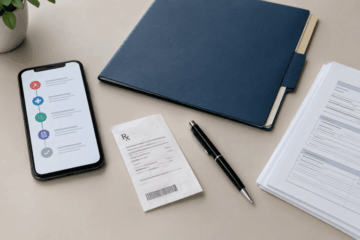
Create one paper folder or secure digital folder. Keep incident reports, medical records and bills, prescriptions, work restrictions, missed-shift information, pay records, insurance letters, claim numbers, photos, and witness details together. Also keep a contact log listing the date, person, organization, and purpose of each call or email.
7. Track Symptoms, Daily Limits, and Work Issues
A brief daily symptom log can help a patient remember changes at follow-up visits. Note pain levels, sleep problems, medication use, missed work, and practical limits such as trouble driving, lifting, walking, concentrating, cooking, or caring for children. Keep the entries factual. The log supports personal recollection but does not replace medical records.
Keep copies of written work restrictions, leave notices, schedules, and pay information. Follow medical restrictions closely. Being able to perform limited duties is different from being able to resume every normal task, and that distinction may matter for recovery and employment records.
8. Know When a Matter Needs Extra Attention
Some situations are more complicated than others. Consider seeking qualified guidance when injuries are serious, medical bills are denied without a clear explanation, an employer will not document a work injury, several people or businesses may be involved, or settlement papers arrive before treatment is complete. Deadlines and procedures can differ based on the claim type and the facts, so do not rely on general online timelines alone.
9. Common Mistakes to Avoid
- Delaying necessary medical care or skipping follow-up appointments.
- Waiting too long to report a workplace injury.
- Throwing away damaged clothing, equipment, or other relevant property.
- Guessing during an insurance call.
- Accepting a quick payment before the full medical outlook is known.
- Posting content that could be misunderstood or appear inconsistent with reported limitations.
10. A 72-Hour Action Plan
First Hour
- Get to a safe location and call emergency services when needed.
- Exchange information when appropriate and take basic photos if it is safe.
First Day
- Seek medical evaluation, report the incident, and write a short timeline.
- Save photos, messages, witness details, and incident documentation.
Days Two and Three
- Follow treatment instructions and record new or worsening symptoms.
- Organize medical, work, and insurance records before important details are lost.
Frequently Asked Questions
What if pain starts a day or two later?
Contact a medical professional, explain when the original incident occurred, and describe the new symptoms accurately.
Can photos replace a formal report?
No. Photos can support the record, but they generally do not replace employer reports, police reports, medical documentation, or required claim forms.
When should someone ask for legal guidance?
Guidance may be useful when fault is disputed, injuries create substantial limitations, benefits are denied, multiple parties may be involved, or a proposed settlement arrives before recovery is understood.
Conclusion
The first 72 hours after an injury in Calhoun County can be stressful, but a simple checklist can reduce confusion. Focus first on safety and medical care, then report the event, preserve accurate records, and avoid guesses. Those steps can support better medical follow-up and more informed decisions as the situation develops.