




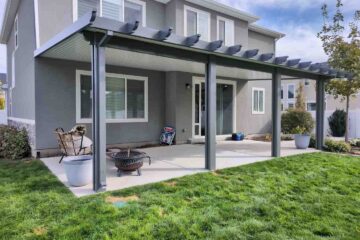







Photo by FRAEM GmbH on Unsplash
A landscape can look impressive after a major cleanup. Keeping it healthy and presentable through changing weather, busy growing periods, and everyday use takes sustained attention. For property managers, that ongoing work shapes both the condition of the grounds and the experience of managing the service.
Consistency gives landscaping its lasting value. Appropriate mowing, careful inspections, timely adjustments, and clear communication work together over time. When those habits weaken, problems can develop between visits, even when the property initially appears well maintained.
Consistent Care Starts With Understanding the Landscape
Plants respond to the conditions around them. Grass grows at different rates depending on its species, the season, and available water and nutrients. A maintenance plan needs to accommodate those changes while keeping service standards dependable.
The University of California recommends removing no more than one-third of the grass’s leaf height during a single mowing. Cutting too low removes the leaf area grass needs to produce food, potentially leaving turf thin and unattractive. If grass becomes overgrown, restoring the appropriate height may require several gradual cuts.
“A good maintenance plan gives the crew something clear to follow, but it also gives them room to respond. The important question on each visit is what the landscape needs now,” says William Maclyn and Murphy Eick.
That approach requires judgment. Faster growth may call for more frequent mowing, while seasonal changes can alter irrigation and treatment needs. The same task performed at the same interval throughout the year may produce uneven results.
Reliable service includes explaining those adjustments. Property managers should understand why a task has moved, why watering has changed, or why a particular area needs closer observation. That communication helps make seasonal decisions understandable.
Regular Inspections Give Maintenance More Value
Routine visits create opportunities to observe changes before damage becomes extensive. Discolored foliage, declining plant vigor, unusual insect activity, or persistent wet areas can signal problems that deserve attention.
Systematic scouting is the foundation of integrated pest management. Monitoring helps determine what is happening, how serious it is, and whether intervention is appropriate. Finding an insect does not automatically mean treatment is necessary.
Records make those observations more useful. Photographs and written notes allow crews to compare conditions over time, recognize recurring issues, and check whether earlier work helped. They also give property managers a clearer explanation of recommended action.
Irrigation offers a practical example. A system may continue running while sprinkler heads become misaligned, coverage becomes uneven, or watering schedules no longer match the weather. Without regular checks, those changes can undermine both plant health and water efficiency.
EPA estimates that well-managed irrigation can reduce a household’s irrigation water use by 15%. That residential estimate cannot predict savings for every commercial property, but it illustrates why ongoing system management matters.
“The useful part of an inspection is what happens afterward. Someone needs to record the problem, decide who will handle it, and check that the work actually solved it,” says William Maclyn and Murphy Eick.
For a property manager, that follow-through makes inspections easier to assess. An issue remains visible until it has been addressed, rather than disappearing into an informal conversation.
Clear Expectations Build a More Dependable Relationship
Landscaping agreements work better when both parties understand what the service includes. General promises to maintain the grounds leave room for disagreement about tasks, timing, and responsibility.
A clear scope should identify the following:
- Routine work
- Seasonal requirements
- Reporting expectations
- Services that require separate approval
Irrigation repairs and debris removal also need an assigned owner. When several contractors share responsibility, those boundaries become especially important.
EPA’s sample landscape and irrigation contract guidance provides a useful model. It recommends monthly irrigation walkthroughs during the watering season, adjustments where conditions indicate overwatering or underwatering, and reports covering maintenance and water use.
Reporting gives clients a way to understand the service beyond appearance alone. A property may look acceptable while an irrigation issue still needs repair. Conversely, a visible change may reflect an appropriate seasonal adjustment that deserves explanation.
Clear reporting also supports discussions about additional work. Documented observations give the client a basis for reviewing the recommendation and deciding what to approve.
Strong Systems Help Crews Maintain the Standard
Consistency becomes harder to sustain when important property information lives only in one person’s memory. Crew changes can interrupt that continuity unless expectations, outstanding issues, and previous work are documented.
The Bureau of Labor Statistics projects approximately 162,500 grounds-maintenance job openings annually over 2025-2035. Many will result from workers changing occupations or leaving the workforce. The category covers several grounds-maintenance roles, but the projection provides useful context for the importance of training and knowledge transfer.
A landscape quality-control program with clear oversight, employee training, and records of completed and outstanding work is recommended. These practices help turn general expectations into responsibilities that crews can follow.
Equipment readiness and safe working practices belong within that system. Dependable scheduling relies on crews having suitable equipment and understanding how to perform their tasks safely. Supervisors also need a way to identify mistakes and confirm corrective work.
Quality checks should reflect the purpose of each area. A formal entrance and a pollinator planting may have different maintenance requirements. Documenting those differences helps crews preserve the intended result throughout the property.
Final Thoughts
A strong landscaping relationship develops through repeated evidence of care: appropriate work, useful observations, clear explanations, and completed follow-up. Property managers can look for those habits when assessing a provider. As conditions change, a dependable service should keep learning about the landscape and adjusting its care with the client’s goals in view.