












Making the switch to native plants in your home garden comes with a host of ecological and practical rewards. Whether you are new to gardening or seeking to create a more sustainable landscape, integrating native species can benefit both your yard and your community. Homeowners across North Carolina and beyond are finding that choosing plants native to their region not only enhances beauty but also boosts resilience and conserves critical resources. For those in the Triangle, a visit to a Durham garden center can provide helpful guidance and a wide selection of local flora.
Native plants are perfectly adapted to local conditions, having evolved alongside area wildlife and weather. This harmony supports pollinators like bees and butterflies while reducing the need for excess care. The results: lush, vibrant gardens that require less water and fewer chemical inputs, all while contributing to the health of your neighborhood ecosystem.
If you are interested in sustainable gardening, native plants offer significant advantages. They help support the lifecycle of local fauna, conserve natural resources, and simplify maintenance. Plus, their seasonal blooms, varied textures, and environmental benefits add lasting beauty to your property.
Supporting Local Wildlife
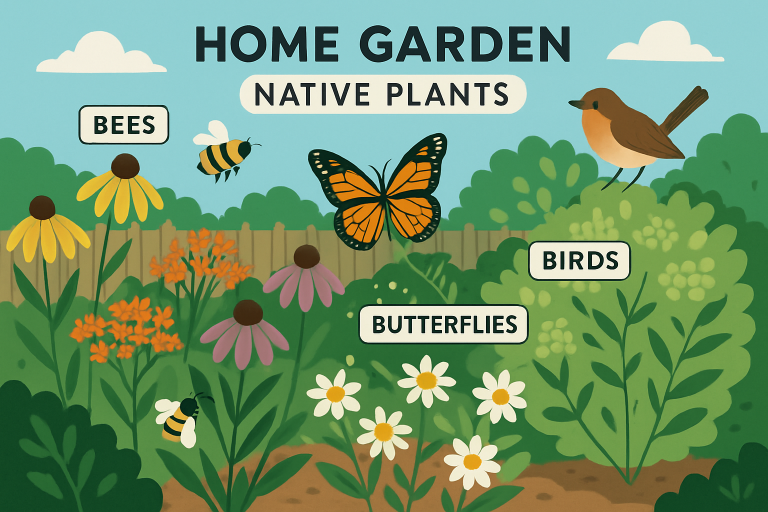
Native plants form the backbone of healthy food webs, offering essential nectar, pollen, and habitat for birds, butterflies, bees, and other wildlife. Monarch butterflies, for example, exclusively rely on native milkweed species to complete their lifecycle. Research shows that yards with native plants attract a greater diversity of pollinators and other beneficial organisms compared to landscapes dominated by exotic species. To get started, your local garden center can provide guidance on selecting native varieties suited to your area and even supply plants ready for planting. This connection is crucial to sustaining local wildlife populations amidst increasing urbanization.
Conserving Water Resources
One of the most compelling reasons to incorporate native plants is their ability to thrive on rainfall alone once established. Adapted to local climate and soil conditions, their deep root systems allow plants to access moisture well below the surface, reducing the need for supplemental watering. In drought-prone regions like the Southeast, switching to native plants can dramatically reduce outdoor water use, resulting in lower utility bills and a more resilient landscape during dry spells.
Reducing Maintenance Needs
Once a native plant garden is established, it requires far less intervention than conventional gardens filled with non-native species. Because they have coevolved with local pests and diseases, native species are typically more resistant, reducing the need for pesticides and frequent maintenance. Home gardeners appreciate needing fewer fertilizers, less pruning, and limited weeding, freeing up more time to enjoy the space rather than labor over it.
Enhancing Soil Health
Native plants have deep, intricate root systems that stabilize soil and limit erosion. Their roots help improve soil aeration, encourage water infiltration, and add organic matter as they decompose. This leads to better drainage, healthier soil life, and stronger, more resilient plant communities overall. By improving water management and reducing surface runoff, you also help reduce flooding risks in your yard and surrounding areas.
Promoting Biodiversity
Diverse plantings of native species can transform a simple garden into a thriving ecosystem. Studies have shown that gardens filled with native plants host a wider variety of insects, birds, and small mammals. The presence of multiple species not only benefits the garden by attracting natural predators to control pests, but also supports the pollinators essential for healthy fruit and seed production.
Providing Seasonal Beauty
Native plants are anything but dull; they offer an ever-changing canvas of colors, textures, and forms throughout the seasons. From vibrant spring wildflowers like columbine and blue phlox, to the deep reds and golds of autumnal switchgrasses and maples, natives provide ongoing visual interest. Perennials such as asters and goldenrods supply late-season nectar for pollinators and vivid color for your fall landscape.
Fire Resistance
For homeowners in fire-prone regions, certain native plants present a savvy landscaping choice. Many native species, including some oaks and manzanitas, are more fire-resistant thanks to their moisture-rich foliage and slower burning. These features make them vital allies in creating defensible spaces that can help protect homes and reduce wildfire risk.
Economic Benefits
Sustainable landscaping practices with native plants can enhance property values and curb appeal, especially as more buyers seek eco-friendly homes. Costs for water, fertilizer, and pest control drop significantly when native plants replace high-maintenance turf and exotics. Over time, the initial investment in native species pays dividends in the form of lower bills and a healthier, more enjoyable outdoor space.
Native plants are more than just a landscaping trend—they represent a practical, beautiful, and environmentally responsible choice for homeowners. By selecting plants that have long thrived in your region, you help conserve resources, enhance wildlife habitat, and build a stronger sense of place within your community.