








Multi-Concept Venues: Redefining the Modern Experience
The landscape of local entertainment and sports has evolved significantly, moving beyond traditional stadiums and arenas to embrace multi-concept venues. These innovative spaces blend sports viewing with diverse entertainment options, creating dynamic social hubs for communities. They are designed to offer comprehensive experiences that cater to a wide range of interests and age groups.
One prime example of a large-scale, multi-purpose venue is the Maverik Center in West Valley City, Utah. Known for its “big-arena energy with small-theater intimacy,” the Maverik Center has a storied past, having hosted events during the 2002 Winter Olympics. Today, it remains a central hub for entertainment, regularly hosting Utah Grizzlies hockey games, major concerts, rodeos, and even arena football. The venue offers premium experiences, including luxury suites, allowing guests to enjoy events with enhanced comfort and privacy. Its ability to adapt its schedule to accommodate such a diverse array of events underscores the significant role major venues play in the local sports and entertainment scene.
On a more intimate, yet equally innovative, scale, venues like Flanker Kitchen & Sporting Club in Salt Lake City are redefining what a sports bar can be. This 17,500-square-foot complex is a multi-concept destination, boasting an impressive 400 square feet of LED screens for unparalleled sports viewing. Beyond the big game, Flanker offers a wealth of interactive entertainment, including golf suites equipped with high-tech simulators, private karaoke rooms, and a vibrant nightlife scene. It’s a testament to how modern venues integrate dining, sports, and interactive experiences into one seamless offering, though it’s important to note that Flanker is a 21+ venue.
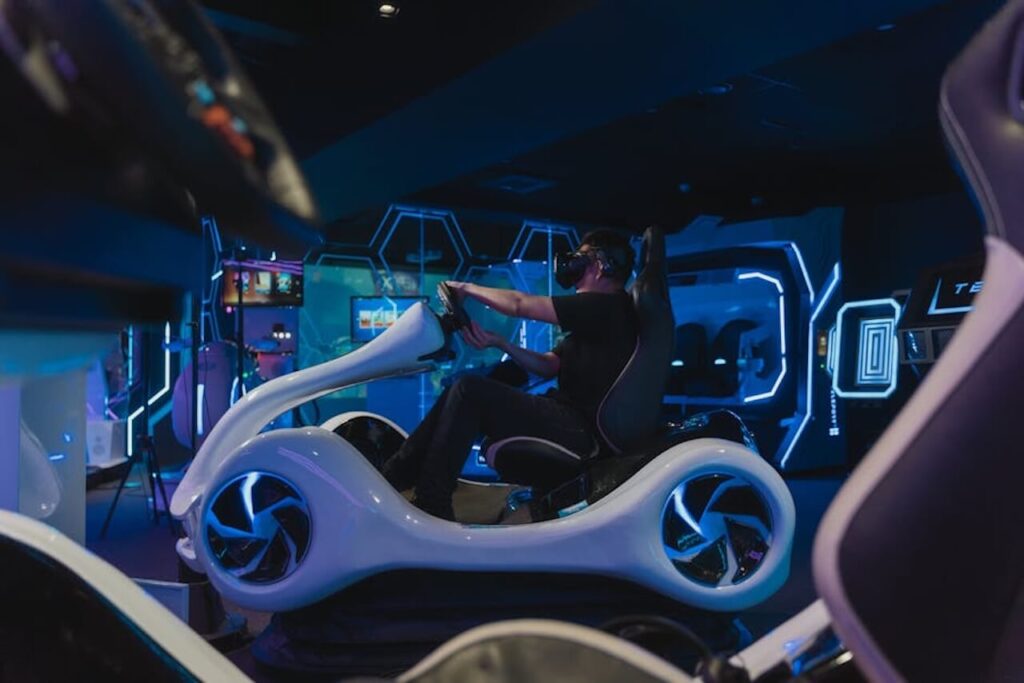
These multi-concept venues often incorporate features like sports simulators, which allow patrons to virtually experience everything from golf to racing, adding an active, participatory dimension to their visit. Similarly, karaoke suites provide a private, fun environment for groups to enjoy musical entertainment. Such innovations demonstrate a clear trend towards providing more than just a place to watch a game; they offer a destination for a full evening of entertainment. For those who appreciate diverse recreational pursuits, the blend of sports viewing with interactive elements mirrors the appeal of specialized destinations, much like the experience one might find at a Top Texas public golf course, where the focus is on a specific sport but with full hospitality.
Here’s a comparison of features between large-scale arenas and multi-concept entertainment hubs:
Feature Large-Scale Arena (e.g., Maverik Center) Multi-Concept Entertainment Hub (e.g., Flanker Kitchen & Sporting Club) Primary Focus Major sporting events, concerts, large shows Enhanced sports viewing, interactive games, dining, nightlife Capacity Thousands Hundreds to over a thousand Event Diversity Hockey, concerts, rodeo, football Sports watch parties, karaoke, golf simulators, live music, trivia Interactive Features Limited, mostly spectator-based Sports simulators, karaoke rooms, arcade games, themed events Food & Beverage Concessions, premium club dining Full-service restaurant, multiple bars, signature cocktails Atmosphere Grand, high-energy Social, immersive, customizable Typical Age Restriction All ages (event dependent) Often 21+ (venue dependent) Iconic Annual Festivals and Global Sporting Events
Across the United States, certain annual events have become synonymous with their host cities, drawing millions of visitors and residents alike. These iconic festivals and global sporting events are not just spectacles; they are integral to the cultural and economic fabric of their regions.
Indianapolis, for instance, proudly hosts the Indy 500, a legendary race that has been a cornerstone of the city’s identity for over a century. As the largest single-day sporting event in the world, the Indy 500 transcends a mere race; it’s a week-long celebration that captivates a global audience and is deeply embedded in the city’s “sports DNA.”
Austin, Texas, has cemented its reputation as a vibrant cultural hub with a calendar packed with world-renowned festivals. SXSW (South by Southwest) is a prime example, attracting global audiences with its convergence of film, music, and interactive media. Not far behind in popularity are the ACL Music Festival (Austin City Limits), which showcases an eclectic mix of musical talent, and the Austin Film Festival. Beyond music and film, Austin also hosts major sporting events, including Formula 1 races at COTA (Circuit of the Americas) and the Austin Marathon, further solidifying its status as a destination for both the arts and athletics.
Chicago stands out with an astonishing array of over 200 festivals and special events annually. Among these, Lollapalooza is a global music phenomenon that draws massive crowds to Grant Park each summer. The Chicago Air and Water Show thrills millions with its breathtaking aerial displays over Lake Michigan. Food enthusiasts flock to the Taste of Chicago, while music lovers revel in the Chicago Blues Festival, recognized as the largest free blues festival in the world. These events, ranging from grand spectacles to intimate cultural celebrations, make Chicago a year-round magnet for event tourism.
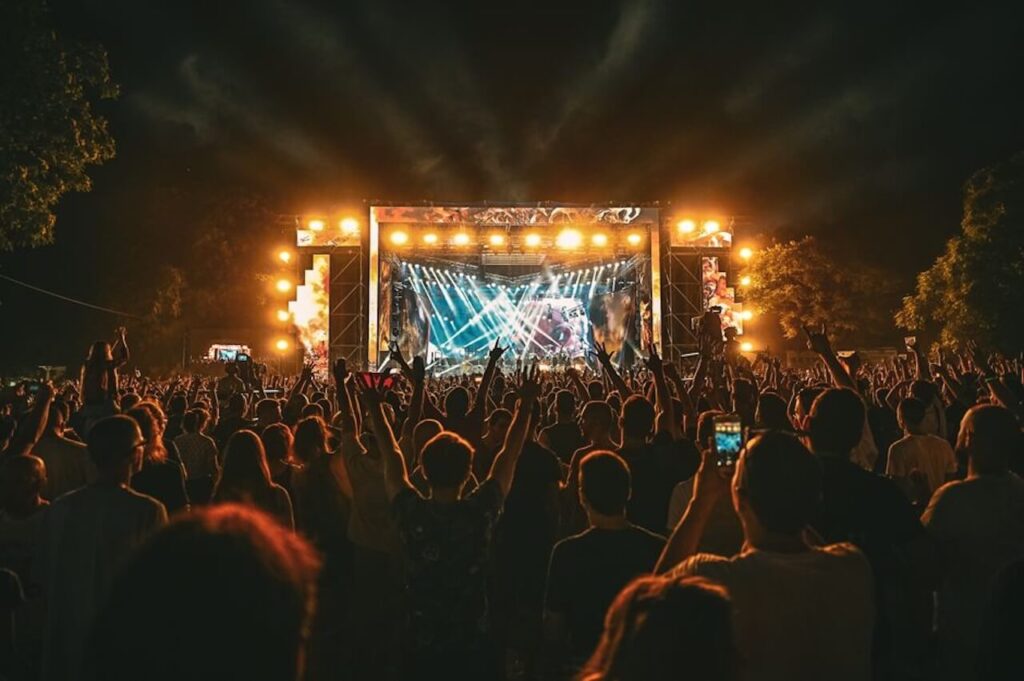
Even cities like Little Rock, Arkansas, contribute significantly to the event landscape, offering a wide variety of activities year-round. From food festivals and concerts to performing arts, sports, and expos, Little Rock serves as a dynamic hub of activity, ensuring there’s always something engaging for both residents and visitors. These major events not only provide entertainment but also drive significant economic impact through tourism, hospitality, and local business engagement, shaping each city’s unique character.
Community Impact of Local Entertainment and Sports Teams
Local sports teams, particularly minor league teams, play a pivotal role in fostering community spirit and providing accessible entertainment. Their impact extends far beyond the field or rink, creating deep connections with residents through various engagement initiatives.
Take the Utah Grizzlies, an ECHL professional hockey team, as an example. Playing their home games at the Maverik Center, they don’t just offer thrilling hockey; they create memorable experiences with special events like “Star Wars Night,” which often features themed jerseys, character appearances, and fan interactions. These promotions are key to drawing diverse crowds and building a loyal fanbase.
Similarly, the Fresno Grizzlies, a Minor League Baseball (MiLB) team, are masters of community engagement. They are known for hosting an impressive 37 unique theme nights in a season, ranging from “Star Wars Day” to “Tequila Fest,” which has even featured Grammy Award winners like Nelly. These events transform a baseball game into a broader entertainment spectacle, making it a cornerstone of local entertainment. The team’s commitment to the community is evident in their diverse promotional schedule, which aims to appeal to all segments of the local population.
Other teams, such as the Lexington Legends, a professional baseball team in the Atlantic League (a Partner League of Major League Baseball), also prioritize community involvement. The Legends have established “Military and First Responders Community Initiatives” and “High School Partnerships,” demonstrating a commitment to supporting local institutions and heroes. Their mission goes beyond winning games; they aim to “delight fans and entertain hundreds of thousands of Lexingtonians and fans each year.”
Teams like the Macon Mayhem (hockey) and the Cowlitz Black Bears (baseball) further exemplify this community-centric approach. The Mayhem hosts events like “Salute to Service” that honor military personnel and first responders. The Cowlitz Black Bears engage with youth through “Youth Baseball Camps” and actively participate in “Fundraisers & Donations,” as well as “Host Family” programs that deepen the team’s roots in the local community. These initiatives showcase how Local Entertainment and Sports initiatives foster strong community ties and provide invaluable experiences for residents, from aspiring young athletes to dedicated fans.
These teams understand that they are more than just sports franchises; they are community assets. Through these diverse promotions, partnerships, and outreach programs, they not only provide affordable and exciting entertainment but also cultivate a sense of belonging and pride, reinforcing the idea that local sports are truly community hubs.
The Role of Social Hubs in Local Entertainment and Sports
Sports bars and clubs serve as vital social hubs, transforming the viewing experience of major events into communal celebrations. They are places where fans gather, share excitement, and forge connections, making them indispensable to the local entertainment scene.
When major events like March Madness, the Super Bowl, or UFC fights are on, these venues become electric. Establishments like Flanker Kitchen & Sporting Club in Salt Lake City exemplify this, boasting massive LED walls spanning over 400 square feet and more than 40 HD TVs. This setup ensures that every seat is the “best seat in the house,” elevating the intensity and shared experience of watching pivotal sporting moments. The atmosphere, amplified by collective cheers and groans, turns a simple game into an unforgettable event.
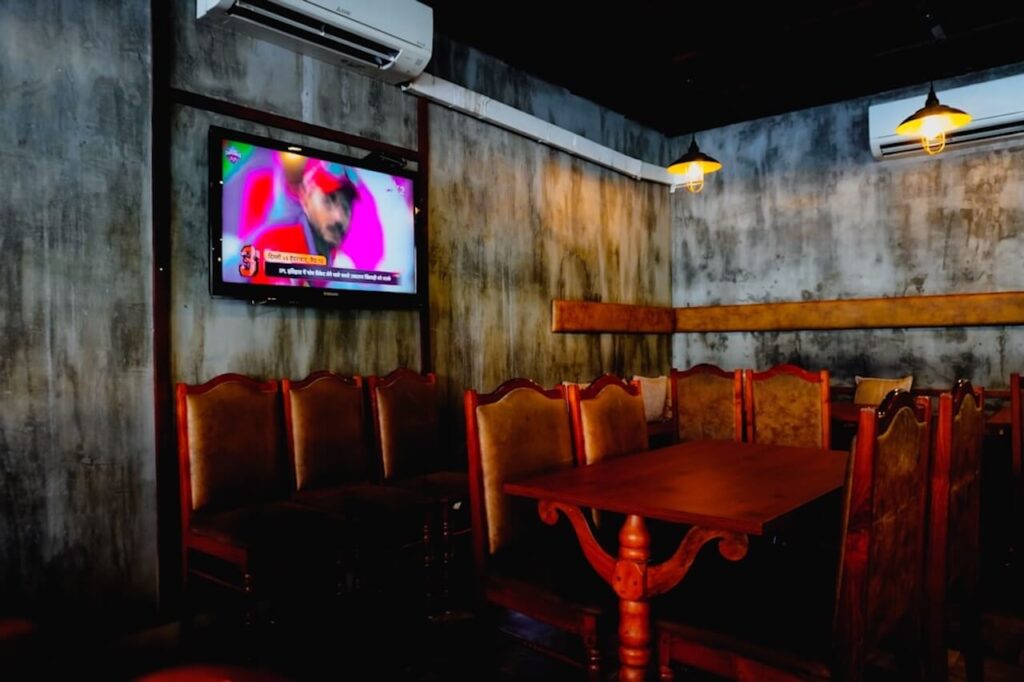
However, the appeal of these social hubs extends far beyond major sporting events. Many sports bars offer a diverse range of entertainment options throughout the week. Billiards tables are a classic draw, providing a relaxed yet competitive activity for patrons. Trivia nights are incredibly popular, challenging guests’ knowledge across a range of subjects and fostering friendly competition. Poker tournaments offer a strategic and engaging alternative, while “Rockin Bingo” adds a musical twist to the traditional game. For those seeking the thrill of live performances alongside their favorite games, many establishments offer vibrant music scenes, transforming into a lively Live bands Murray bar on select nights, showcasing local talent and different genres.
These venues are designed to facilitate social interaction. With comfortable seating, extensive food and drink menus (often featuring local favorites like wings and craft beers), and a lively ambiance, they create an inviting environment for friends, families, and even solo visitors to connect. The presence of large projector screens, sometimes as big as 22 feet, ensures that every major matchup, from NFL games to college athletics, is a spectacle. This focus on communal viewing and diverse entertainment cements their role as essential community gathering places.
Interactive Experiences in Local Entertainment and Sports
Modern sports bars and entertainment venues are constantly innovating to provide more than just passive viewing. They are curating interactive experiences that engage patrons at multiple levels, fostering a dynamic, memorable environment.
One popular trend is the rise of interactive games like music bingo and trivia nights. Music bingo, for example, replaces numbers with popular songs from various eras and genres, turning a listening session into a competitive and fun game for prizes. Trivia nights, often themed, challenge groups to test their knowledge, sparking lively debates and camaraderie. These activities are a staple at many venues, including places like Hurrdat Sports Bar & Grill in Omaha, which actively promotes its monthly music bingo and trivia events.
Beyond traditional games, some venues are exploring unique offerings such as live podcast recordings. This novel approach allows patrons to be part of a live audience, offering a fresh form of entertainment that blends digital media with a physical social setting.
Themed nights are another significant draw, not only in sports bars but also in professional sports. As seen with minor league teams like the Fresno Grizzlies and Utah Grizzlies, themed nights (e.g., Star Wars Night, Tequila Fest) generate immense excitement and often feature special promotions, costumes, and unique experiences. Sports bars adopt similar strategies, hosting watch parties with specific themes or offering special menus for major events.
Family-friendly activities are also a growing focus for many establishments. While some venues maintain a 21+ policy, others design spaces with arcade games, patios, and specific events that cater to families, ensuring that entertainment is accessible to all ages. Loyalty programs, such as those offered by Hurrdat Sports Bar & Grill, further enhance the experience by rewarding frequent visitors with perks like discounts and early access to events, encouraging repeat engagement, and building a loyal customer base. Through these diverse interactive elements, venues are creating comprehensive entertainment destinations that go beyond simply serving food and drinks.
Community Engagement Through Local Entertainment and Sports
The connection between local entertainment and sports and its community is a two-way street, built on mutual support and shared experiences. Professional teams and local venues actively engage with their communities through a variety of initiatives, fostering strong bonds and contributing to the social fabric.
Professional partnerships are a cornerstone of this engagement. Teams often collaborate with local businesses, schools, and non-profit organizations to create mutually beneficial relationships. For instance, the Lexington Legends have developed “High School Partnerships,” providing opportunities for local students and promoting athletic development within the community. Similarly, their “Military and First Responders Community Initiative” shows appreciation for local heroes, often through special recognition nights and ticket programs.
Military appreciation nights, like the “Salute to Service” events hosted by the Macon Mayhem hockey team, are common across sports leagues. These events honor active service members and veterans, often featuring ceremonial puck drops, special jersey auctions, and fundraising efforts for military charities. These initiatives not only show gratitude but also provide a platform for community members to come together in support of a shared cause.
Beyond formal partnerships, teams engage with their fan base through various programs. Youth sports initiatives, such as the “Youth Baseball Camps” offered by the Cowlitz Black Bears, provide aspiring young athletes with coaching and mentorship, inspiring the next generation of players. Local athlete milestones are often celebrated with fanfare, creating a sense of shared pride and connection between the team and its supporters. Fan clubs and promotional schedules are also crucial for maintaining consistent engagement, keeping the community informed and excited about upcoming games and events. Many sports bars also host “local team watch parties,” creating a dedicated space for fans to cheer on their hometown heroes together, further solidifying community ties. This continuous interaction ensures that local sports and entertainment remain deeply embedded in the community.
Navigating the Modern Event Calendar
In today’s world, staying updated on local entertainment and sports events can seem daunting, but cities and venues are making it easier than ever. For both residents and tourists, a wealth of resources is available to ensure you never miss out on the action.
Official visitor guides and city websites are often the first and most reliable sources. Cities like Austin, Indianapolis, and Chicago maintain comprehensive digital calendars and dedicated event sections on their official tourism sites. These platforms provide detailed listings for everything from major annual festivals and concerts to performing arts and professional sporting events. For example, Austin’s visitor guide lets you plan your trip around the city’s top annual festivals, like SXSW. At the same time, Indianapolis encourages visitors to “Sign Up for the Weekend Five” newsletter for curated event recommendations. Little Rock is promoted as a “hub of activity” with a wide variety of events, and its official channels provide excellent resources for staying informed.
Digital calendars and event-specific websites have become indispensable tools. Many cities and regions, such as Salt Lake City, offer aggregated event listings through platforms like Today’s Utah Events – Utah Agenda, Special Events | Murray City, UT – Official Website – Murray.utah.gov, and Salt Lake City Events. These sites often allow users to filter by date, category, and location, making it easy to find relevant activities. Smaller communities, like Millcreek, Utah, also provide local event calendars through their journals and official tourism sites, ensuring that even hyper-local events are accessible.
Newsletter subscriptions are an excellent way to receive real-time updates directly to your inbox. Many venues, teams, and city tourism boards offer email newsletters that announce upcoming events, ticket sales, and special promotions. For example, the Utah Grizzlies encourage fans to “Sign up for our email newsletter to be the first to know about news and upcoming games!”
For those planning ahead, seasonal planning is key. Chicago’s event calendar, for instance, highlights peak festival seasons like summer (Lollapalooza, Taste of Chicago) and fall (Chicago Marathon), allowing visitors to align their trips with major happenings. Similarly, venues like the Maverik Center and professional teams like the Fresno Grizzlies publish their schedules and promotional calendars well in advance, enabling fans to purchase tickets and plan their visits accordingly. By utilizing these diverse resources, everyone can effectively navigate the modern event calendar and fully immerse themselves in the local entertainment and sports scene.
Frequently Asked Questions about Local Entertainment
What types of unique promotions do minor league teams offer?
Minor league teams are renowned for their creative, unique promotions that engage fans and enhance the game-day experience. Teams like the Fresno Grizzlies frequently host themed nights, ranging from “Star Wars Day” with character appearances and special jerseys to “Tequila Fest” featuring celebrity headliners. The Utah Grizzlies also embrace this trend with popular events like “Star Wars Night.” Beyond themes, many teams offer youth sports camps, community fundraisers, and military appreciation nights (e.g., “Salute to Service” by the Macon Mayhem) to deepen their community ties.
How are modern sports bars evolving beyond traditional dining?
Modern sports bars are transforming into multi-concept entertainment hubs. They now often feature massive high-definition LED walls and numerous HD TVs for unparalleled sports viewing, as seen at Flanker Kitchen & Sporting Club. Many venues integrate interactive experiences such as golf simulators, private karaoke rooms, billiards, and arcade games. They also host organized social events like trivia nights, music bingo, and poker tournaments. Some even offer unique entertainment, such as live podcast recordings. These establishments aim to provide a comprehensive social experience that combines dining, drinking, sports, and interactive entertainment in one dynamic space.
Where can residents find the most accurate local event schedules?
Residents and tourists can find accurate local event schedules through several reliable sources. Official city websites and tourism bureaus (e.g., for Austin, Indianapolis, and Chicago) typically maintain comprehensive digital calendars and visitor guides. Dedicated event listing websites, such as Utah Agenda or Visit Salt Lake, aggregate events from various venues. Subscribing to email newsletters from city tourism boards, local venues, and sports teams (like Visit Indy’s “Weekend Five” or the Utah Grizzlies’ newsletter) is also an excellent way to receive real-time updates. Additionally, official social media channels of venues and teams often provide the latest information on upcoming events and promotions.
Conclusion
As we look towards May 2026 and beyond, it’s clear that local entertainment and sports continue to serve as the vibrant heart of our communities. From the grand scale of major arenas like the Maverik Center to the innovative multi-concept sports bars such as Flanker Kitchen & Sporting Club, these venues are constantly evolving to meet and exceed our expectations. They provide not just entertainment but also essential social hubs where connections are forged and memories are made.
The iconic annual festivals and global sporting events, whether it’s the Indy 500, SXSW, or Lollapalooza, define our cities and attract worldwide attention, showcasing the unique cultural identity of each region. Meanwhile, the tireless efforts of local sports teams, from the Utah Grizzlies to the Lexington Legends, demonstrate a profound commitment to community engagement, fostering local pride through promotions, youth programs, and partnerships.
The modern event calendar, made accessible through digital platforms and newsletters, ensures that everyone can easily find and participate in these enriching experiences. The synergy between local entertainment and sports strengthens social cohesion, drives economic growth, and enhances our collective quality of life. Investing in these community hubs is an investment in the future of our vibrant cities and the shared experiences that bind us together.