











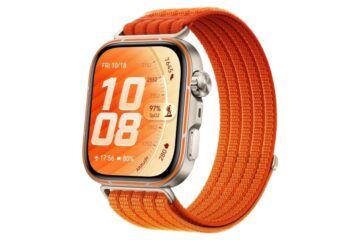

Defining the Landscape of Custom Retail Goods
The modern retail environment, as of May 2026, is characterized by intense competition and an increasingly discerning consumer base. In this landscape, generic offerings often fail to capture attention. This is where custom retail goods emerge as a powerful differentiator. They represent products specifically designed, manufactured, or packaged to reflect a brand’s unique identity, values, and aesthetic. This goes beyond simply slapping a logo on an off-the-shelf item; it involves a deeper commitment to bespoke manufacturing and a keen understanding of market differentiation.
Businesses are increasingly turning to private label programs and specialized manufacturers to create products that are truly their own. This approach allows for complete control over design, materials, and the overall brand message. For instance, a brand might develop its own unique line of textiles, such as custom printed retail fabric, to ensure its products are distinct and of a consistent quality that aligns with its vision. The drive for custom goods also highlights the growing importance of supply chain transparency, as consumers want to know where and how their products are made. This commitment to ethical, high-quality sourcing is not just a trend but a fundamental expectation.
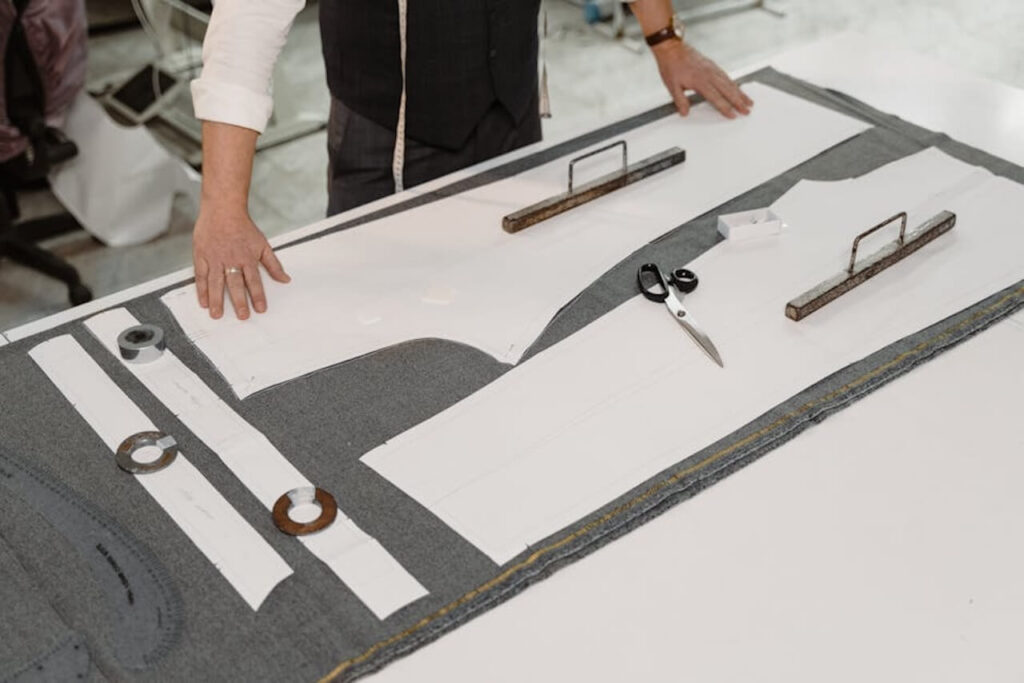
Popular Categories of Custom Retail Goods
The spectrum of custom retail goods is vast, catering to diverse industries and consumer needs. Some of the most popular categories include:
- Branded Apparel: From custom t-shirts and hoodies for events to bespoke uniforms for staff or premium fashion lines, branded apparel allows businesses to extend their identity onto wearable items. Companies like Golden Goods and Let’s Print LA specialize in this area, offering a range of customization from fabric choice to print techniques.
- Custom Plush Toys: These personalized items, often created from drawings or unique character designs, offer a sentimental touch. Bespoke Plush LLC, for example, transforms personal artwork into huggable companions, ideal for gifts or brand mascots.
- Home Decor: Items such as custom pillows, bedding, or even furniture allow consumers to personalize their living spaces. Calico and other providers offer extensive fabric choices and design services to create unique home furnishings.
- Personalized Electronics and Accessories: Phone cases, laptop sleeves, or even custom-designed gadgets fall into this category, offering a blend of utility and personal expression.
- Stationery: Custom notebooks, pens, or planners are popular for corporate gifting, promotional giveaways, or simply for individuals seeking unique desk accessories.
- Jewelry: For significant life events, custom jewelry, such as custom engagement rings, offers unparalleled personalization, allowing customers to design pieces that perfectly embody their unique stories and preferences. This category underscores the emotional connection consumers have with bespoke items.
The Role of Custom Retail Goods in Modern Branding
In a saturated market, custom retail goods are indispensable tools for brand recognition and differentiation. They serve as tangible representations of a brand’s identity, values, and quality. Research indicates that a brand has mere seconds to make a first impression – often cited as around 7 seconds – and custom goods, whether a product itself or its packaging, play a critical role in this initial perception.
Moreover, the rise of social media has amplified the impact of unique products. User-generated content, particularly among younger demographics, is a powerful endorsement. An impressive 68% of Millennials, for instance, report that user-generated content significantly influences their perception of a brand’s quality. When consumers share photos or videos of distinctive, custom products, it acts as authentic, organic marketing that builds consumer trust far more effectively than traditional advertising. In a market where every brand is vying for attention, custom retail goods cut through the noise, fostering loyalty and creating memorable experiences that resonate deeply with customers.
The Impact of Packaging on Consumer Behavior
Custom retail packaging is far more than just a protective layer; it’s a critical component of the overall brand experience and a powerful influencer of consumer purchasing decisions. In May 2026, with countless products vying for attention on shelves and online, packaging often becomes the silent salesperson. Statistics underscore this impact: a striking 64% of consumers make a purchase decision based largely on custom retail packaging, even when unfamiliar with the brand itself. This highlights its role as a primary deciding factor.
Furthermore, premium packaging elevates the perceived value of a product. A significant 44% of consumers agree that well-designed, premium packaging reinforces the quality and value of what’s inside. Beyond aesthetics, the design elements – brand colors, typography, and unique structural choices – are highly influential, with three-quarters of consumers admitting that package design impacts their buying choices. When packaging feels like a gift, it fosters a positive emotional connection, with 40% of consumers reporting that gift-like packaging encourages them to make repeat purchases from a brand. This demonstrates how thoughtful packaging transforms a transactional experience into a memorable interaction.
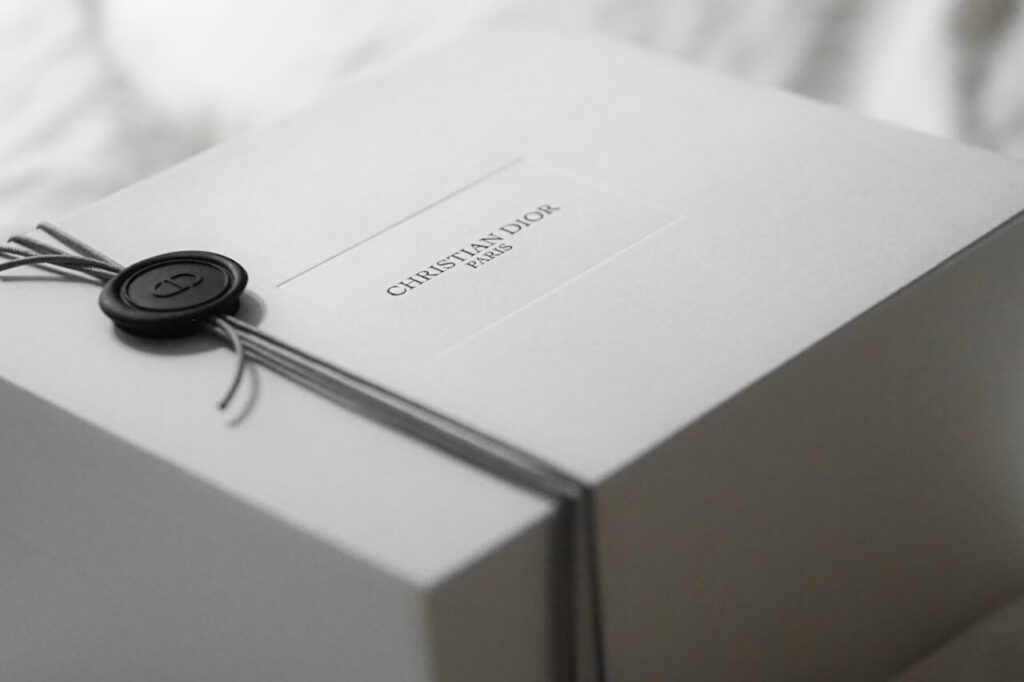
Enhancing the Unboxing Experience
The “unboxing experience” has become a cultural phenomenon, especially fueled by social media. Custom packaging plays a pivotal role in creating these shareable moments. When a package is well-designed, visually appealing, and thoughtfully constructed, it encourages customers to share their excitement online. A remarkable 40% of consumers are motivated to post photos of a brand’s products online specifically because of unique packaging. This user-generated content is invaluable for word-of-mouth marketing, reaching new audiences organically.
The anticipation and delight of opening a beautifully packaged item contribute significantly to customer loyalty. It transforms a simple delivery into an event, making the customer feel valued and appreciated. The sheer volume of online engagement around this trend is staggering, with over 90,000 monthly searches for unboxing videos on platforms like YouTube. Brands that invest in interior box design, custom inserts, and branded tissue paper are not just delivering a product; they are crafting an immersive brand narrative that extends beyond the purchase, fostering lasting relationships and turning customers into brand advocates.
Functional Benefits for Brick-and-Mortar and E-commerce
Beyond aesthetics and the unboxing experience, custom retail packaging offers substantial functional benefits for both brick-and-mortar and e-commerce businesses. For physical stores, packaging must provide robust product protection, ensuring items remain intact and pristine from warehouse to shelf to the customer’s home. It also needs to enhance shelf visibility, helping products stand out from competitors. Professional, retail-ready aesthetics are crucial for attracting attention and conveying quality in a crowded retail environment.
For e-commerce, shipping durability is paramount. Custom mailer boxes, often made from corrugated materials, are designed to withstand the rigors of transit, protecting contents from damage. Dimensional accuracy in packaging is also vital to optimize shipping costs and minimize waste. Both channels benefit from packaging that clearly communicates product information and brand messaging, reinforcing professionalism and trustworthiness. Whether displayed on a store shelf or arriving at a customer’s doorstep, effective custom packaging ensures the product arrives safely and makes a strong, positive impression.
Ethical Sourcing and Sustainable Materials
In May 2026, the demand for ethical sourcing and sustainable materials has moved from a niche concern to a mainstream expectation. Consumers are increasingly conscious of the environmental and social impact of their purchases, pushing businesses to adopt more responsible practices. This shift is particularly evident in custom retail goods, where the choice of materials directly reflects a brand’s values.
Traditional packaging often relies on virgin plastics and unsustainable forestry practices. However, a growing number of businesses are embracing eco-friendly alternatives. These include Eco-Kraft paper, known for its natural, rustic appearance and recyclability; recycled cardboard, which significantly reduces the need for new raw materials; and biodegradable plastics, designed to break down more naturally after use. The textile industry, for example, is seeing a surge in demand for responsibly sourced fabrics, as discussed in articles like Fabric for Blankets: Top Retailers and Types for Your Next Project, highlighting the importance of material choices for both product and packaging.
Adopting sustainable materials helps reduce a brand’s carbon footprint and appeals to environmentally conscious consumers. Beyond environmental concerns, ethical sourcing extends to fair labor practices throughout the supply chain, ensuring that products are made under safe and equitable conditions. This holistic approach to sustainability and ethics builds consumer trust and strengthens brand reputation.
Personalization and Consumer Trust
The ability to personalize products has become a cornerstone of modern retail, directly influencing consumer trust and purchasing decisions. In May 2026, customers expect more than just a generic item; they want products that reflect their individuality and preferences. This trend is powered by data-driven design, where insights into consumer behavior guide the creation of highly customizable options.
The impact of personalization on sales is significant, with some platforms reporting an average uplift of 38% in conversion rates for personalized products. Advanced technologies, such as displacement mapping, allow customers to visualize their designs rendered against real surface textures—like the weave of a fabric or the curve of a ceramic mug—rather than just seeing a flat sticker. Real-time visualization tools further enhance this experience, enabling customers to interact with and refine their designs before committing to a purchase. This transparency and control foster a deeper sense of ownership and satisfaction.
Crucially, personalization must be backed by robust quality assurance and material integrity. Consumers trust that their unique design will be translated into a high-quality physical product. Brands that deliver on this promise, ensuring that custom items meet stringent quality standards, build lasting loyalty and positive word-of-mouth.
Strategic Implementation: From Design to Delivery
Successfully venturing into custom retail goods requires a meticulous approach, from the initial design concept to the final delivery. The process begins with precise planning, particularly regarding product dimensions. Accurate measurements of height, width, and length are fundamental to creating packaging or products that fit perfectly and protect the contents.
Modern technology plays a pivotal role in streamlining this process. Tools offering 3D proofing allow businesses to visualize their custom designs in real-time, making adjustments to colors, logos, and messaging before production begins. This significantly reduces errors and ensures the final product aligns with the brand’s vision.
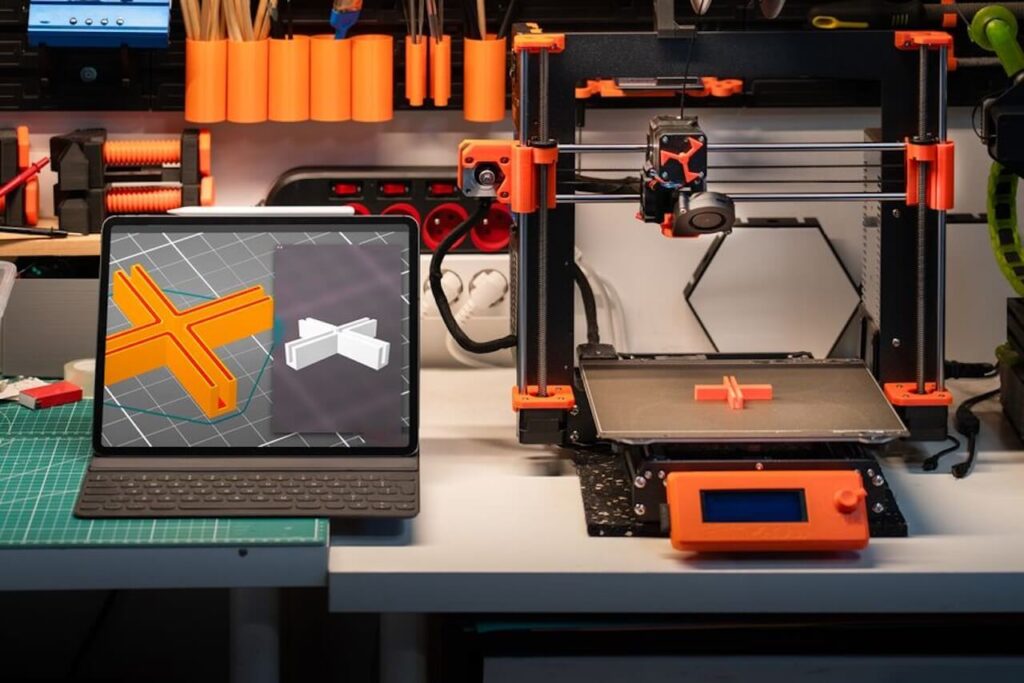
Lead times are another critical consideration. While standard turnaround times for custom packaging might be 8-10 business days, expedited options can reduce this to 4-6 days. For fully custom products, especially those manufactured from scratch, lead times can extend to several months, making careful planning essential. Prototype sampling is often a crucial step, allowing brands to evaluate the physical product or packaging before committing to a large order. Building strong factory relationships and managing complex logistics, including customs and international shipping, are also vital for a smooth and efficient supply chain. Companies like Wayo simplify this by offering AI-powered sourcing and end-to-end project management, ensuring quality control is integrated at every step.
Cost Considerations and Scalability
Investing in custom retail goods and packaging involves various cost considerations, and understanding these is key to maximizing return on investment (ROI). While the perception might be that custom means expensive, many providers offer scalable solutions. Wholesale pricing and bulk discounts are common, allowing larger businesses to achieve significant cost savings per unit.
For smaller businesses or those just starting, low minimum order quantities (MOQs) are increasingly available. Some custom packaging providers offer MOQs as low as 100 units, making quality retail packaging accessible without a prohibitive upfront investment. For fully bespoke items, especially those requiring new tooling or extensive design, MOQs might be higher, often starting around 1,000 units. The unit price variance can be substantial depending on material choice, printing techniques, and order volume.
Businesses must carefully calculate their ROI, considering not just the direct costs but also the intangible benefits such as increased brand recognition, customer loyalty, and potential for higher sales. Many companies offer free consultations and quotes, helping businesses understand the financial implications and choose options that align with their budget and growth strategy.
Frequently Asked Questions about Custom Retail Goods
What are the most popular types of custom retail packaging available today?
In May 2026, the most popular types of custom retail packaging are diverse, catering to various product needs and brand aesthetics. These include folding cartons, which are versatile and lightweight, ideal for a wide range of products; corrugated mailers, essential for e-commerce due to their durability and protective qualities during shipping; and rigid luxury boxes, often used for high-end products to convey exclusivity and premium value. Additionally, eco-friendly Kraft bags are popular for their sustainability and natural look, while custom inserts and branded tissue paper are frequently used to enhance the unboxing experience and provide additional product protection.
How does eco-friendly packaging impact consumer purchasing decisions in 2026?
Eco-friendly packaging significantly impacts consumer purchasing decisions in May 2026. With growing environmental awareness, sustainability trends are a major driver. Consumers are increasingly influenced by a brand’s ethics, often preferring products packaged in recyclable, biodegradable, or recycled materials. This commitment to environmental responsibility can lead to a premium perceived value for the product. Research indicates that approximately 75% of consumers are influenced by package design, and a significant portion of this influence now stems from the packaging’s sustainable attributes. Brands that prioritize eco-friendly options often see improved brand perception and increased customer loyalty.
What are the typical minimum order requirements for custom merchandise?
Minimum order requirements (MOQs) for custom merchandise vary widely depending on the product type and level of customization. For custom retail packaging, such as boxes or bags, MOQs can start as low as 100 units, particularly for digital printing or standard designs. However, for more complex, fully custom products or those requiring specialized manufacturing processes, MOQs can be higher, often starting around 1,000 units or more. Private label programs, which involve creating products from scratch, typically have higher MOQs and longer lead times. Many providers offer scalable solutions, making custom goods accessible to both small businesses and large enterprises, with unit prices decreasing significantly at higher volumes.
Conclusion
In May 2026, the landscape of retail is defined by a dynamic interplay of consumer expectations, technological advancements, and a renewed focus on ethical practices. Custom retail goods stand at the forefront of this evolution, offering businesses an unparalleled opportunity to differentiate, connect, and thrive. The journey from concept to consumer, while intricate, is ultimately about crafting an experience that resonates.
The long-term ROI of investing in custom goods and packaging extends far beyond immediate sales. It builds brand longevity, fosters deep customer loyalty, and generates invaluable word-of-mouth marketing. This is not merely about aesthetics; it’s about an unwavering ethical commitment to quality, transparency, and sustainable practices. As consumers become more informed and discerning, brands that prioritize these values will be the ones that capture hearts and minds. In the competitive retail outlook of 2026, strategic differentiation through custom, ethically sourced, and high-quality goods is not just an advantage—it is a necessity for enduring success.