









Key Takeaways
- A puppy’s first year combines health care, training, socialization, nutrition, and home safety.
- Veterinary visits are opportunities for physical exams, parasite discussions, behavior questions, and growth checks, not just vaccinations.
- Each puppy needs an individualized plan based on age, records, lifestyle, health status, and anticipated exposure.
- Safe socialization can begin before all vaccines are complete, when experiences are controlled and appropriate for the puppy’s risk level.
- A written calendar makes it easier to keep appointments, medications, questions, and follow-up instructions organized.
Bringing home a puppy in Northwest Houston is exciting, but the first year can feel busy quickly. Veterinary appointments, house training, social outings, feeding changes, and household safety all arrive at once. For Copperfield-area families, NW Houston pet vaccinations guidance from Longenbaugh Veterinary Hospital P.C. can help place vaccine planning within a broader preventive-care routine. The hospital’s puppy and dog vaccination resource explains that exams and vaccine recommendations can vary with a dog’s age and prior history, and it reflects the clinic’s local focus on caring for pets in Northwest Houston and Copperfield.
Why the First Year Needs a Clear Plan
Puppies change rapidly. A small puppy can develop new habits, gain weight, lose baby teeth, and encounter unfamiliar people and places in a short period. A simple wellness roadmap helps families focus on the next useful step rather than trying to solve every puppy-care question at once.
That plan matters in Northwest Houston, where a puppy may encounter neighborhood sidewalks, apartment common areas, backyards, boarding facilities, grooming salons, family gatherings, and car rides. Each setting can affect questions about exposure, behavior, heat safety, and parasite prevention. Your veterinarian can help turn those everyday circumstances into a practical care plan.
Build a Puppy Care Calendar
Start the calendar on the day your puppy comes home. Schedule the first veterinary visit promptly, especially if the puppy came from a breeder, rescue, shelter, or another household. Bring every record you received, including vaccine dates, deworming information, prior test results, and medication details.
What to track
- Veterinary appointment dates and follow-up visits.
- Vaccines, fecal testing, deworming, and prescribed preventives.
- Current weight, appetite, stool quality, sleep, and energy level.
- Questions about chewing, house training, barking, fear, or introductions to other pets.
- Upcoming plans for travel, grooming, training classes, daycare, or boarding.
A calendar also gives owners a useful record if something changes. For example, noting when loose stool began, whether appetite changed, and what the puppy may have eaten can help a veterinary team better understand the situation.
What to Expect at Early Veterinary Visits
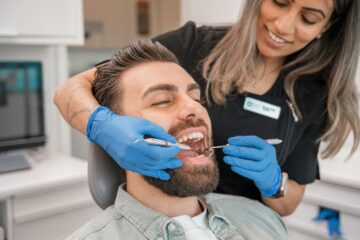
Early puppy visits commonly include a nose-to-tail physical examination. The veterinarian may evaluate the eyes, ears, mouth, skin, coat, heart, lungs, abdomen, joints, body condition, and growth. The discussion may also include nutrition, fecal testing, deworming, microchipping, parasite prevention, behavior, and safe activity.
There is no universal schedule that fits every dog. A puppy’s age, size, health findings, vaccination history, travel plans, exposure to unfamiliar dogs, and local exposure risks all matter. The core and noncore canine vaccine recommendations from the American Animal Hospital Association describe why some vaccines are broadly recommended while others depend on a dog’s location, lifestyle, and risk of exposure.
Vaccines and Disease Prevention
Vaccines work best as part of an organized series and a preventive-care plan. Keep written records after each visit, ask which vaccines are due, what they protect against, and when the next dose or booster is recommended. Rabies vaccination requirements are law-governed, so local rules should be discussed. Before enrolling a puppy, planning a boarding stay, or visiting a groomer, ask your vet about the puppy’s protection and the facility’s health requirements. Do not change or restart a vaccine plan without professional guidance, especially if records are incomplete or uncertain.
Safe Socialization Before Full Protection
Socialization isn’t just about playtime with unfamiliar dogs. It involves helping a puppy build calm, positive associations with people, handling, sounds, surfaces, vehicles, household objects, and new places. Puppies can practice wearing a harness, hearing a vacuum from a distance, resting in a crate, or having paws gently handled at home. Controlled experiences, like outdoor outings, brief visits with healthy dogs, or visiting a clean private home, help balance learning with health precautions. Cornell emphasizes that safe exposure to new sights and sounds should continue even after a puppy joins a new household.
Common mistakes to avoid
- Taking an incompletely vaccinated puppy to a busy dog park or another high-traffic dog area.
- Forcing greetings when a puppy appears fearful, overwhelmed, or tired.
- Assuming socialization only means dog-to-dog interaction.
- Choosing loud, crowded, or lengthy outings instead of short, successful experiences.
- Allowing contact with dogs whose health status is unknown.
A puppy that watches traffic from a clean carrier or parked car may gain confidence without walking through an area used by many dogs. Small, positive experiences are often more useful than one overwhelming outing.
Parasite Prevention and Everyday Health
Fleas, ticks, heartworms, and intestinal parasites should be discussed early. The best preventive product depends on the puppy’s age, weight, health, other medications, and lifestyle. Ask before using an over-the-counter product, including products recommended by friends or advertised online.
- Monitor appetite, water intake, stool, coughing, vomiting, and energy each day.
- Keep food bowls, bedding, crates, and living areas clean.
- Contact a veterinarian when symptoms are sudden, severe, persistent, or accompanied by unusual weakness.
- Use reminders so prescribed preventives are given on schedule.
Nutrition, Training, and Household Safety
Wellness also happens at home. Feed a diet appropriate for the puppy’s life stage, measure meals as directed, and discuss treats and growth with the veterinarian. Provide safe chews, supervise play, and keep medications, toxic foods, loose cords, small objects, and unsafe plants out of reach.
Short training sessions can support house training, crate comfort, bite inhibition, leash skills, and basic cues such as sit, come, and leave it. End sessions before the puppy becomes frustrated. Consistent routines are easier for puppies to understand and easier for busy households to maintain.
Questions to Ask at Every Puppy Visit
- Which vaccines are due today, and what protection do they provide?
- When should the next appointment be scheduled?
- Which public places should my puppy avoid for now?
- What socialization activities are appropriate at this stage?
- Which parasite prevention is suitable for my puppy?
- Is my puppy’s growth and body condition on track?
- Which symptoms should prompt a call to the clinic?
- When should we discuss spaying or neutering?
Keep the Plan Simple
Puppy care does not have to be overwhelming. A calendar, regular veterinary visits, thoughtful socialization, parasite prevention, and steady home routines create a strong foundation for a growing dog. Review the plan as your puppy matures, and let your veterinarian tailor it to your household, your puppy’s health, and life in Northwest Houston.