













Creating a safe and efficient workspace begins with the fundamentals: clear, secure access to essential equipment. When equipment access is prioritized, employees can confidently carry out their responsibilities, leading to both accident prevention and optimized operations. Effective access management directly reduces incident risks, property damage, and potential business disruptions. For many businesses, collaborating with reputable safety suppliers, such as Diverse Supply Inc, ensures high-quality access solutions and safety tools are always available, supporting a proactive approach to worksite well-being.
It is important to remember that safety is not a one-size-fits-all issue. Different jobs, environments, and equipment require tailored strategies. This is why diligent planning for access and safety protocols must be a cornerstone of organizational culture. When combined with ongoing employee training and leadership commitment, a focus on safe equipment access supports both compliance and a resilient workforce.
Importance of Safe Equipment Access
Workplace injuries are frequently traced back to lapses in safe access – from blocked pathways to faulty ladders or hazardous equipment storage. The National Safety Council reports that preventable injuries account for over 100 million lost workdays annually in the United States. Inadequate access is not just a safety risk; it can also slow production, raise insurance premiums, and even lead to legal challenges. Safe access is fundamental to operational resilience, boosting employee confidence and long-term productivity.
Companies across industries are recognizing that safer environments benefit overall morale and efficiency. Incidents involving slips, trips, falls, and equipment misuse commonly occur where attention to secure access is lacking. According to OSHA’s workplace safety statistics, physical access issues remain a leading cause of occupational injuries, highlighting the importance of routine safety evaluations and comprehensive risk assessments.
Building a culture of safety from the ground up ensures that all employees are vigilant about equipment access and everyday hazards. This commitment helps businesses mitigate not just costly incidents but also organizational downtime, ultimately keeping workers healthy and projects on track.
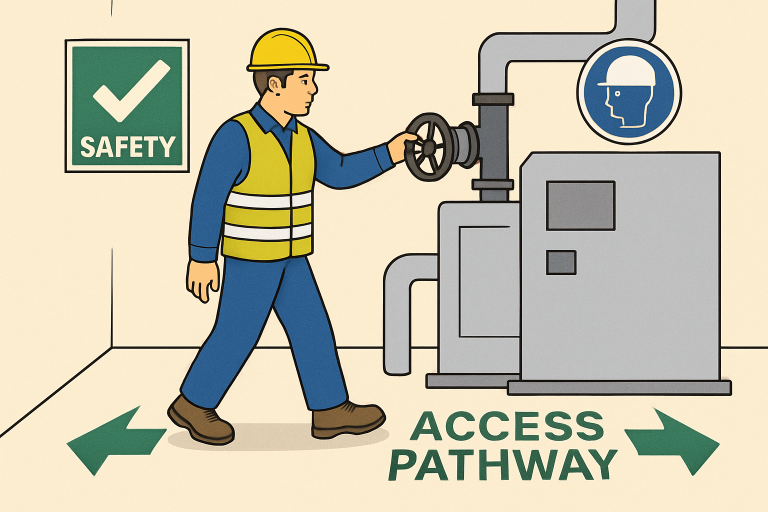
Regulatory Updates on PPE
In the evolving landscape of safety standards, recent changes put greater responsibilities on employers to provide well-fitting personal protective equipment (PPE) for every worker. The Occupational Safety and Health Administration (OSHA) finalized new language that mandates PPE be tailored to each individual, not issued broadly by size category. These regulations, effective January 15, 2025, seek to address the longstanding issue of ill-fitting PPE, which can render equipment ineffective or, worse, create new hazards. Guidance published by OSHA clarifies that the fit of items such as helmets, gloves, harnesses, and eye protection must enable normal movement and provide an effective barrier against risk.
Employers must now assess each job role and each worker individually, ensuring that all protective equipment accommodates unique needs such as size, ergonomics, and specific workplace hazards. Industries that previously relied on standardized PPE labels will need new procurement policies that emphasize proper fit for every employee.
Technological Advancements in Safety
Innovative technologies are revolutionizing workplace safety. One of the most promising developments is the integration of wearable sensors into everyday equipment. These devices track exposure to hazards, such as hand-arm vibration, and alert workers and management to real-time dangers before they cause harm. For example, advancements in ISO-compliant vibration sensors help protect workers from chronic conditions like Hand-Arm Vibration Syndrome (HAVS), turning data into an immediate call to action.
Beyond personal monitors, automation and robotics are also reshaping workplace safety. Robotic devices now take over some of the most dangerous tasks, such as heavy lifting, handling toxic materials, or operating in confined spaces, allowing human workers to focus on roles that require oversight rather than exposure. These technological responses not only lower injury rates but also boost morale, reduce absenteeism, and improve business continuity.
The application of intelligent systems and occupational Internet of Things (IoT) technologies signals a shift toward predictive safety, leveraging machine learning and big data to identify and prevent risks before they materialize. For additional perspective, see Safety+Health Magazine’s discussion on technology and workplace safety.
Best Practices for Ensuring Safe Access
While technology and regulation are critical, an action-oriented approach is required for meaningful change. The following best practices ensure that safe equipment access is not left to chance:
- Conduct Regular Safety Audits: Inspect equipment and key access routes frequently to catch hazards early and keep passageways clear.
- Provide Comprehensive Training: Ensure all team members know the proper way to use and access equipment, with lessons tailored to evolving standards and technologies.
- Implement Access Control Systems: Restrict access to high-risk equipment to trained, authorized personnel and utilize smart locks or login systems where appropriate.
- Maintain Equipment Properly: Schedule inspections and maintenance for all gear to ensure it remains functional, safe, and accessible at crucial moments.
- Encourage Reporting: Foster an open, accountable environment where employees are empowered to voice safety concerns, knowing their input will be acted upon without reprisal.
By following these guidelines, companies establish a robust framework for continuous improvement, reinforcing compliance while demonstrating respect for their workforce. As highlighted by the New York Times coverage on workplace safety, clear policies and vigilant oversight drive progress across industries.
Conclusion
Safe equipment access is a foundational component of workplace safety, woven through government policy, new technologies, and day-to-day business practices. Organizations that prioritize worker protections are rewarded with fewer accidents, a committed workforce, and improved performance metrics. By integrating regulatory knowledge, technological solutions, and committed leadership, any business can cultivate an environment where every team member feels secure, valued, and prepared for success.