











As people age, the desire to remain independent and maintain control over daily life only grows stronger. For many seniors, finding the right environment that balances freedom, safety, and support is crucial not only for comfort but also for fostering a sense of purpose and self-worth. These communities are not just housing options but thoughtfully constructed environments where seniors can flourish. Through meticulously designed spaces, engaging social schedules, and a supportive atmosphere, independent living communities like these are built to help seniors thrive physically, emotionally, and socially without relinquishing their autonomy or personal dignity.
By combining private accommodations with thoughtfully planned amenities, social opportunities, and adaptive support systems, independent living communities enable seniors to embrace a lifestyle focused on holistic well-being and personal engagement. This integrated approach ensures that older adults not only retain their independence but are also encouraged to explore new interests, reconnect with their passions, and actively enrich their quality of life. Understanding the unique benefits of these communities is key for families and seniors alike as they consider the best options for aging gracefully and confidently in an evolving world.
Personalized Care Plans
Respecting Individual Preferences
A fundamental advantage of independent living communities is the development of personalized care plans tailored to the unique needs and preferences of each resident. These plans are carefully crafted after thorough consultations with residents and their families, respecting individual interests, health needs, and daily routines. Rather than offering one-size-fits-all solutions, staff strive to identify precisely how much or how little help each resident requires. For instance, some residents may require regular reminders about their medication or gentle assistance with transportation, yet feel entirely comfortable managing daily chores or other personal tasks independently. This customized approach not only supports physical well-being but also helps maintain each resident’s sense of self-reliance, pride, and confidence in managing their affairs.
At communities like Spring Creek Chalet, care plans are regularly revisited to ensure they remain aligned with changing needs and evolving lifestyles. This flexibility means residents and their families can rest easy, knowing support will always match the current situation—no more, no less. The ultimate goal is clear: deliver the right level of support while empowering seniors to maintain a sense of independence, dignity, and pride in their abilities.
Comprehensive Wellness Programs
Supporting Physical and Mental Health
Promoting overall wellness is at the core of many independent living communities. Residents benefit from a range of fitness classes specifically designed for seniors, including yoga, water aerobics, tai chi, balance training, and strength training, ensuring that individuals with all abilities and interests are catered to. Exercise programs are carefully structured to enhance flexibility, balance, and cardiovascular health, significantly reducing the risk of falls and illness. Nutrition is also a top priority, with expert chefs offering balanced meal plans developed by certified dietitians to meet a range of dietary and medical needs, including vegetarian, low-sodium, and diabetic-friendly options.
Beyond physical health, mental and emotional well-being are equally prioritized. Residents can participate in mindfulness workshops, meditation groups, and creative arts classes, or utilize on-site counseling services and support groups. Opportunities for lifelong learning—such as guest lectures, history clubs, or computer literacy courses—enable seniors to keep their minds engaged and sharp. Altogether, these wellness initiatives foster a supportive and upbeat community where every resident is encouraged to pursue healthier and more fulfilling lives.
Social Engagement Opportunities
Building Connections and Enriching Lives
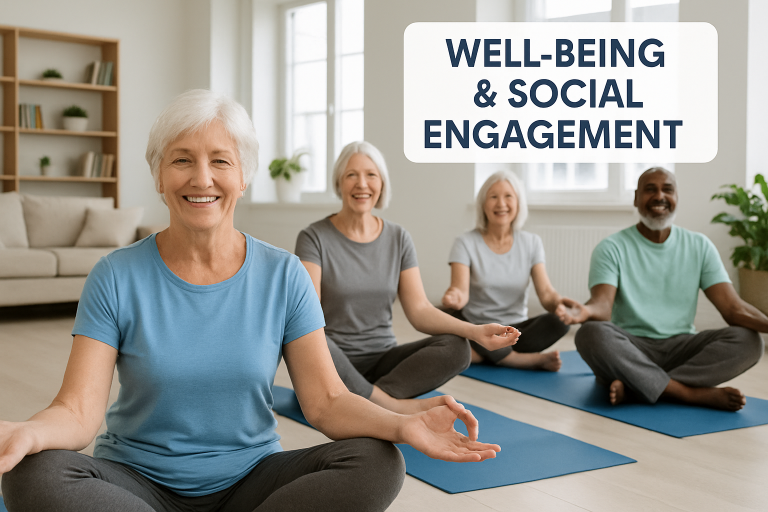
Fostering meaningful social connections has been shown to enhance cognitive function and boost emotional well-being among older adults. Independent living communities offer rich and varied social calendars, featuring group outings to museums, theaters, and cultural sites, as well as book clubs, gardening groups, card tournaments, and communal dining experiences where friendships can flourish and interests can be shared. Regular social events, from movie nights and wine tastings to charity fundraisers and holiday celebrations, ensure there is always something to look forward to.
Vibrant social networks help ease feelings of loneliness and isolation, which can be common as people age, and create the kind of warm, welcoming community spirit that makes seniors feel genuinely at home. According to News Medical, strong social ties can significantly ease the way for older adults in life’s final chapter, offering emotional support, comfort, and a greater sense of meaning. The value of engagement extends even further: studies suggest that seniors who enjoy regular social interaction tend to experience slower cognitive decline, improved physical health, and higher life satisfaction.
Integration of Technology
Enhancing Daily Living and Safety
Today’s independent living residences are increasingly reliant on advanced technology to promote safety, convenience, and connectivity. Smart home devices, such as voice-activated lights, adjustable thermostats, and motion-sensitive nightlights, enable residents to effortlessly manage their environment while promoting energy efficiency and comfort. Health and emergency response monitoring systems are now commonplace, enabling staff to quickly respond to falls, sudden illnesses, or other urgent needs. Technology also enhances community security with systems like video doorbells, secure keyless entry, and surveillance.
For maintaining connections with loved ones, secure digital platforms facilitate video calls, photo sharing, and online chat. Virtual activity programs—such as online book clubs or remote exercise classes—enable participation beyond the community’s walls.
Accessible Design and Amenities
Ensuring Safety and Comfort
Accessibility matters deeply as mobility changes with age. Modern independent living communities are designed with thoughtful touches that minimize barriers and enhance safety: single-level layouts reduce the risk of falls, extra-wide doorways accommodate wheelchairs and walkers, and zero-entry showers prevent slips. Handrails, non-slip flooring, and well-placed lighting further promote confidence and independence.
Residents also enjoy easy access to amenities such as fitness centers with adaptive equipment, well-stocked libraries, beauty salons, art studios, and scenic gardens—all within reach and designed to support active, fulfilling lifestyles. These amenities ensure that every need is anticipated and every comfort is just steps away, eliminating unnecessary stress from daily living.
Transportation Services
Fostering Mobility and Community Engagement
Maintaining the ability to get out and about is essential for independence and personal fulfillment. Many independent living communities offer personalized, scheduled transportation services, enabling residents to attend medical appointments, run errands, participate in religious services, and enjoy community events or shopping trips—all without relying on family members or public transit. Professional drivers are trained to assist with walkers and wheelchairs, and carefully planned routes ensure trips are efficient and safe.
Convenient and reliable transportation preserves a sense of freedom, encourages social engagement, and helps residents remain an active part of the wider community, all of which contribute significantly to their well-being and happiness in later years.
Continuum of Care
Adapting Support As Needs Change
Health and mobility needs may change unexpectedly, sometimes rapidly. That’s why many independent living communities provide a continuum of care, which can include transitions to assisted living, skilled nursing, or memory support within the same campus if or when needed. This flexible, person-centered model enables seniors to “age in place,” remaining in a familiar, loving environment surrounded by friends and staff they know and trust.
Residents and their families gain peace of mind, knowing additional care options are available without the upheaval of a significant move. This holistic approach significantly reduces anxiety about the future, allowing seniors to focus on enjoying the present.
Conclusion
Independent living communities play a transformative role in promoting senior independence and well-being. By offering personalized care, tailored wellness programs, diverse opportunities for engagement, technology-enhanced safety, accessible environments, reliable transportation, and a seamless continuum of care, these communities empower seniors to pursue fulfilling, autonomous lives, all while minimizing worry about their changing needs. For those seeking a vibrant community and a thoughtful approach to aging, independent living provides a path to vitality, dignity, and joy, fostering a renewed sense of belonging and purpose in the later chapters of life.