













Achieving lifelong wellness is a holistic and sustainable process that focuses on building positive, long-term routines. Rather than fleeting trends or quick fixes, wellness is grounded in consistency and small, yet meaningful, daily actions. Fostering habits that nurture both body and mind leads to lasting, positive change. Foundations empowers individuals and communities with support and resources to create healthy, effective routines, reinforcing the importance of structured guidance on this journey.
As you embark on your path to wellness, adopting mindful practices is key. Whether it’s improving eating habits, committing to regular movement, or supporting mental health, each action paves the way for lifelong vitality. The journey requires patience, self-compassion, and continual learning to ensure the habits truly become part of your daily life.
Creating sustainable change means understanding the various components of well-being—nutrition, physical activity, recovery, and mental clarity—and integrating them into the fabric of everyday living. By establishing small, incremental goals, you reinforce motivation and set yourself up for consistent success that lasts.
Additionally, surrounding yourself with community support and educational resources makes sustaining new habits far more achievable. Accessing diverse wellness organizations or reading helpful guides can maximize your ability to stay on track. For in-depth tips and ongoing health news, consider resources from trusted sources like the Centers for Disease Control and Prevention.
Understanding Sustainable Habits
Sustainable habits are consistent behaviors that are adopted over time and become ingrained in daily life. Unlike short-term resolutions, sustainable routines focus on gradual, manageable changes that yield powerful results over time. Science reveals that attempting to change too much at once often leads to burnout, whereas embracing incremental shifts—such as drinking more water each day or taking short walks—improves the likelihood of lasting success.
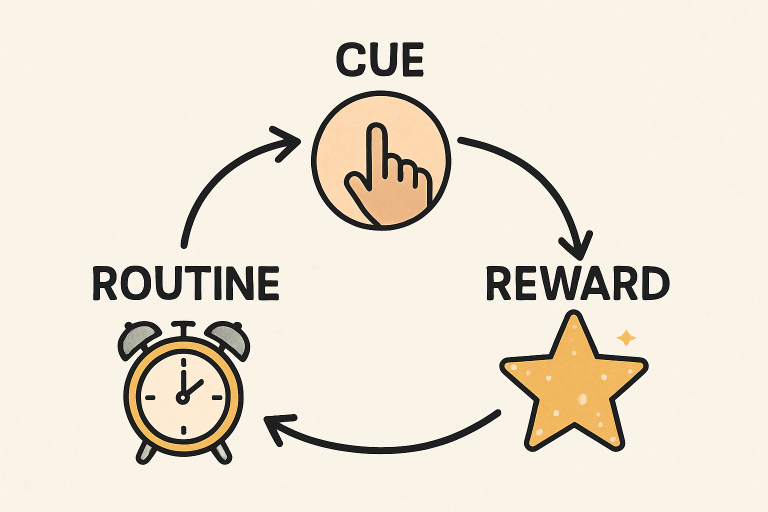
Psychologists agree that sustainable habits rely on three pillars: cue, routine, and reward. This habit loop ensures that the behavior is repeated until it becomes a natural part of your schedule and lifestyle. Over time, positive reinforcement helps replace detrimental patterns with beneficial ones.
Nutrition and Balanced Diet
The foundation of wellness lies in what we eat. A balanced diet that includes a variety of vegetables, fruits, lean proteins, whole grains, and healthy fats is crucial for maintaining energy, supporting immune health, and preventing chronic disease. Limiting highly processed foods and added sugars can significantly lower the risk of obesity, diabetes, and heart problems.
Mindful eating—paying attention to how, when, and what you eat—also plays a role in sustainable change. Meal planning can keep you on track, even during stressful times, while portion control will prevent overeating. The key is to enjoy your meals without feeling deprived. Trusted sources, such as Healthline, offer evidence-based nutrition guidance and simple strategies to get started.
Regular Physical Activity
Physical activity does more than boost fitness—it strengthens your heart, bones, muscles, and even your mood. The Centers for Disease Control and Prevention recommends at least 150 minutes of moderate-intensity aerobic activity each week, combined with muscle-strengthening exercises. This can be achieved through daily habits such as brisk walking, swimming, cycling, or bodyweight exercises that naturally fit into your day.
Incorporating enjoyable activities increases your motivation to stick with them. Whether it’s joining a dance class, exploring hiking trails, or simply choosing the stairs, consistent movement brings immediate and long-term health benefits.
Mental Health and Mindfulness
Wellness is incomplete without nurturing your mental health. Regular mindfulness practices—such as meditation, deep breathing, or journaling—help manage daily stress and build emotional resilience. Taking just a few minutes each day to check in with yourself can reduce anxiety, boost productivity, and enhance overall happiness.
Open conversations and supportive communities reduce stigma around mental health, ensuring no one has to face challenges alone. Journaling and creative outlets are proven approaches for processing emotions and setting personal goals in a calm and constructive manner.
Sleep and Recovery
Sleep is your body’s natural reset button and is vital for physical and cognitive restoration. Adults should aim for seven to nine hours of sleep per night, but the quality of sleep is just as important as the quantity. Establishing a regular bedtime, unplugging from screens, and creating a peaceful environment all promote deeper rest and faster recovery.
Prioritizing sleep is especially vital for those balancing work, studies, or family demands. Research from Harvard Medical School highlights the benefits of proper rest, which can improve memory, concentration, immune health, and even emotional regulation, supporting your wellness journey on multiple levels.
Building Healthy Habits
Transforming intentions into real habits requires actionable, realistic goals. Start small—for example, replacing sugary drinks with water, walking five extra minutes, or writing a gratitude list each morning. Track your progress and celebrate all victories, no matter how minor.
Working with a health coach or mentor can offer invaluable accountability and support, helping you adjust strategies as needed. Resources like health coaching sessions from major universities empower individuals to design sustainable routines tailored to their needs and strengths.
Overcoming Challenges
Every wellness journey has setbacks. Recognizing potential obstacles ahead of time allows you to plan workarounds and stay flexible. Whether you face time constraints, motivation slumps, or unexpected stress, building a toolkit of coping strategies is crucial.
Engaging in community initiatives and wellness programs provides mutual support, practical tips, and resources, so you’re not navigating challenges alone. Organizations dedicated to lifelong well-being, especially those supporting vulnerable populations, can inspire and motivate continued progress despite adversity.
Conclusion
Sustainable wellness arises from small, dedicated actions woven into your daily life. By prioritizing balanced nutrition, regular activity, restful sleep, and mental clarity, you create a foundation for long-term health and fulfillment. Help is available—use trusted resources, supportive communities, and professional guidance to stay inspired and adapt as needed. Ultimately, your commitment to positive change can lead to a healthier, more vibrant life for years to come.