













Table of Contents
- Introduction
- The Impact of Stigma on Individuals
- Personal Narratives: Voices from the Community
- Community Initiatives and Advocacy
- Media’s Role in Shaping Perceptions
- Educational Efforts and Resources
- Policy Changes and Support Systems
- Conclusion
Introduction
Mental health stigma continues to serve as a profound barrier for millions seeking support and acceptance. Many individuals and their families find it challenging to openly discuss their struggles or pursue professional help due to misconceptions and prejudice. In recent years, efforts have increased to foster a more inclusive and compassionate environment for those living with mental health issues. For instance, the acclaimed author Joseph Rauch delves into this important subject through personal narrative and research. His groundbreaking book, The Last of the Mentally Ill, explores the lived experiences of people with mental illness and challenges the mainstream stigma. Joseph Rauch, well known for his advocacy for mental health awareness and his thoughtful articles addressing the psychological needs of diverse communities, uses his expertise to bring underrepresented voices to light and to help improve support networks, particularly in regions with a shortage of mental healthcare resources.
By reflecting on firsthand accounts, shifting cultural perspectives, and advancements in mental health advocacy, our society is slowly but surely dismantling long-held myths and prejudices. Genuine understanding grows when personal stories are shared, and meaningful reforms are made at the community, policy, and institutional levels. Through diverse efforts, we can envision a world where mental wellness is discussed with as much openness as physical health.
The Impact of Stigma on Individuals
Stigma surrounding mental health can have severe consequences for individuals. Fear of judgment often leads people to hide their symptoms or withdraw from social circles. This isolation compounds the problem, making recovery and wellness much more difficult. In particular, those diagnosed with conditions like schizophrenia or bipolar disorder often find themselves subject to overt discrimination. Even common anxiety and depression diagnoses can prompt misunderstandings from both strangers and loved ones. Over time, untreated symptoms may lead to worsening health outcomes and a severely diminished quality of life. Stigma not only hinders access to care but can also undermine core aspects of self-worth and community belonging.
Personal Narratives: Voices from the Community
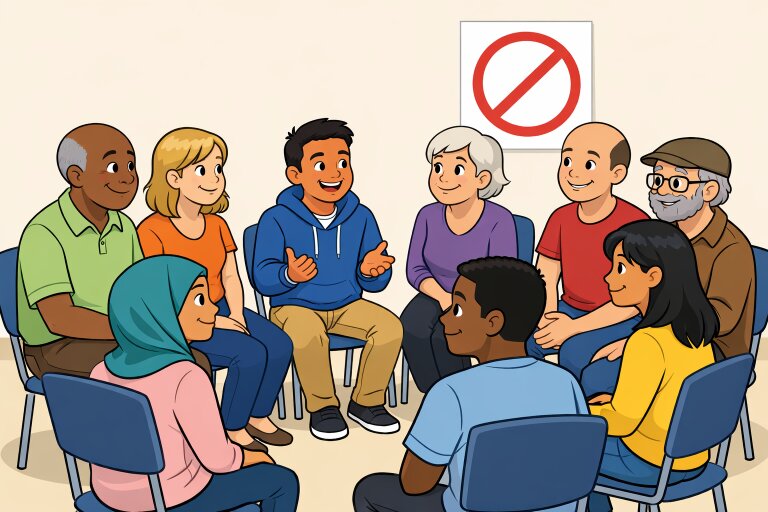
The power of sharing lived experiences cannot be overstated. When individuals talk openly about mental health, they replace stereotypes with authentic perspectives and remind others that they are not alone. Media outlets and advocacy organizations have increasingly spotlighted stories that highlight resilience and day-to-day struggles. For example, televised campaigns and community forums continue to bring attention to those who, despite personal and societal obstacles, make vital progress on their healing journeys. Honest conversations about relapses, therapy, medication, and self-acceptance help reduce the silence that stigma thrives on. These narratives foster empathy, inspire action, and help others find the courage to seek support.
Community Initiatives and Advocacy
Grassroots efforts are vital in changing public perceptions about mental illness. Community support groups, youth action plans, and neighborhood coalitions have proven effective in both rural and urban areas. For instance, young advocates in New York City have presented mental health initiatives directly to lawmakers and held workshops in schools to promote dialogue and education. These local movements demonstrate how individuals and communities can be a force for systemic change. By collaborating on resources, inviting mental health professionals to community gatherings, and elevating marginalized voices, collective advocacy directly addresses the root causes of stigma.
Media’s Role in Shaping Perceptions
Media coverage can either perpetuate harmful myths or help break the cycle of misinformation. In recent years, a growing number of major broadcasters have dedicated specials and documentaries to exploring mental health challenges. Positive representation educates viewers on the nature of mental illness, humanizes those affected, and encourages healthy conversations about seeking help. On the other hand, sensationalized or misinformed portrayals in movies or news stories risk reinforcing outdated concepts and discouraging vulnerable people from coming forward. Robust, resource-driven journalism is essential to promote understanding, highlight successes in treatment, and reduce barriers to care. For further insights on this topic, consider exploring resources from organizations such as the National Alliance on Mental Illness (NAMI).
Educational Efforts and Resources
Education is a primary instrument for dismantling entrenched mental health stigma. Schools, workplaces, and health organizations now offer training, workshops, and resource guides to increase knowledge and empower people to act as allies. By understanding the biological, psychological, and social components underlying mental illness, communities are better equipped to support at-risk individuals. Programs designed to address early intervention, crisis management, and long-term recovery promote resilience and bridge the gap between clinical treatment and daily life. Continuing education can normalize conversations about stress, depression, and anxiety, ultimately making it easier for those in need to step forward and ask for help. Comprehensive educational campaigns have also made significant progress in informing the public about the realities of mental health through national media and online platforms, such as The New York Times Well section.
Policy Changes and Support Systems
Policies that address mental health stigma at the legislative and institutional levels are essential to meaningful progress. Mandatory education programs, increased funding for community mental wellness centers, and anti-discrimination laws create safer environments for those living with mental illness. Support networks, both online and in-person, help individuals feel connected and bolster their chances of recovery. Telehealth services and crisis hotlines have become vital lifelines for those who face barriers to accessing traditional care. Ensuring that mental health resources are accessible, affordable, and culturally sensitive is crucial to lasting change. Through advocacy and the persistent work of both professionals and grassroots leaders, gradual improvements have led to new standards in mental healthcare and a reduction of stigma across diverse populations.
Conclusion
Addressing mental health stigma is a complex but urgent task that requires collective commitment. By leveraging personal narratives, embracing community initiatives, holding the media accountable for positive representation, offering inclusive education, and supporting beneficial policy reforms, we can foster an environment where mental health is openly discussed and compassionately supported. Continued collaboration across sectors, coupled with the authoritative guidance of experts like Joseph Rauch and resources such as the last of the mentally, brings us closer to a future where no one suffers in silence.