












Investing in outdoor gear is essential for safe and enjoyable adventures, but that investment only pays off if your equipment is properly cared for. By implementing robust maintenance routines for your outdoor gear, you not only extend its life but also ensure each item performs optimally when you need it most.
Dirt, moisture, and UV exposure can silently undermine the quality and effectiveness of everything from backpacks to boots. Regular upkeep is key for preventing minor issues from turning into costly failures, and also for keeping your gear ready for unexpected trips. Staying diligent with your gear maintenance builds confidence on every outing and reduces the risk of mishaps caused by equipment failure.
The best maintenance practices cater to the material and use case of each item, so always consult the manufacturer’s guidelines. Frequent checks catch problems early, while proper storage and timely cleaning significantly decrease wear and tear. These small but consistent efforts save money and stress in the long run.
Moreover, well-maintained gear is safer, more sustainable, and more enjoyable to use. Making maintenance a habit is a responsible and innovative approach for anyone who spends time outdoors.
1. Regular Cleaning
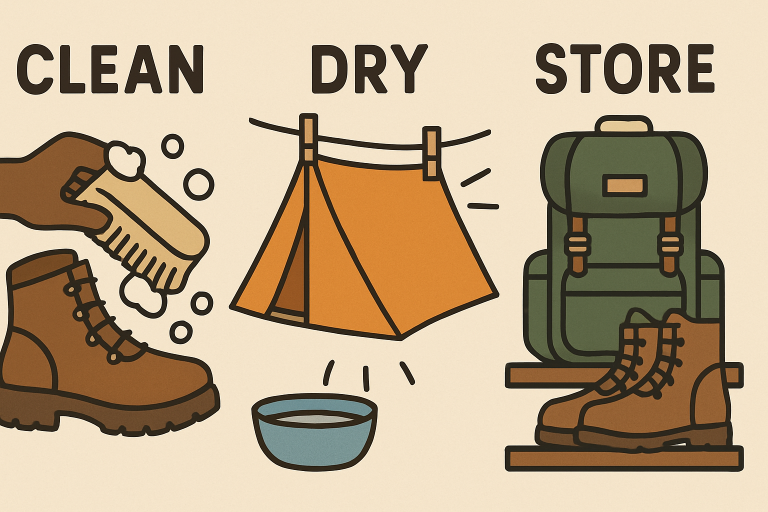
After each use, remove all dirt, grime, and sweat from your gear to preserve fabric strength and prevent deterioration. This is especially important for moisture-wicking clothing, sleeping bags, and tents. Use the cleaning agents recommended by the manufacturer and gently brush off mud or sand before deeper cleaning. REI offers helpful tips on proper end-of-summer gear care to keep your equipment in top condition. Harsh detergents and high-heat drying are common culprits in damaging technical fabrics, so always err on the side of caution.
2. Thorough Drying
Moisture left in the gear poses a risk of developing mold, mildew, and rust. Ensure all items are fully air-dried before storage—this is crucial for tents, sleeping bags, and boots. Air dry in shaded, well-ventilated areas to minimize heat and UV exposure. For boots, remove insoles and stuff them with newspaper to draw out residual moisture. Hydration packs and water bottles should also be dried with lids off. Preventing moisture accumulation preserves materials and keeps odors at bay.
3. Proper Storage
Store your gear in a cool, dry place, away from direct sunlight and excessive heat. UV rays can weaken fabrics and plastics over time. Tents and sleeping bags should be stored loosely, not tightly packed, to preserve their loft and shape. Hang sleeping bags or keep them in breathable cotton storage sacks rather than compression bags. Small items can be grouped in clear bins for easy access. Keep equipment off cold, damp floors to avoid moisture damage.
4. Routine Inspections
Before and after every trip, inspect your gear for signs of wear, such as frayed seams, loose straps, cracked buckles, or fading waterproof coatings. Early identification of problems allows you to address issues at home instead of during an outing, thereby increasing both the safety and comfort of your adventures. Check zippers for smooth operation and lubricate if needed. Take the time to examine larger items, such as tents for bent poles or damaged tent flys.
5. Timely Repairs
Prompt repairs prevent small issues from escalating. Patch holes or small tears as soon as they appear—many outdoor retailers sell specialized patch kits for common problems. Replace broken buckles or zipper pulls and lubricate stuck zippers. For significant gear failures, consider seeking professional repair services offered by the manufacturer or a local shop. Timely intervention maximizes the usable lifespan of your equipment and ensures it’s trail-ready when you are.
6. Maintaining Waterproofing
Waterproof coatings degrade with repeated use and washing. Reapply durable water repellent (DWR) treatments to jackets, tents, and boots periodically, following the product instructions. Pay attention to seams, which are often the first points of failure. Reliable waterproofing keeps you dry and prevents gear fabrics from absorbing excess moisture, which can lead to mildew and decreased insulation.
7. Seasonal Maintenance
Each season brings specific challenges. In spring, empty and inspect storage bins, wash all washable items, and check for pests. Summer demands frequent cleaning of sweat and dust off gear. Autumn is ideal for deep cleaning and thoroughly drying gear before long-term storage. Winter maintenance includes checking insulation for clumping and reviewing waterproof coatings to ensure they are in good condition ahead of snow or rain. Seasonal check-ups are crucial for staying prepared throughout the year.
8. Eco-Friendly Practices
Prolonging the life of your gear isn’t just economical; it’s a meaningful way to reduce waste and support environmental responsibility. Opt for gentle, biodegradable cleaning products and opt for repair rather than replacement whenever possible. Giving careful attention to your gear helps decrease landfill burden and reduce the demand for new resources. Some outdoor brands also offer recycling or trade-in programs for old equipment, further contributing to sustainability.
Prioritizing a regular and thorough maintenance routine not only extends the life and performance of your outdoor equipment but also supports sustainable outdoor recreation. Consistency is key—small habits, like cleaning and proper storage, pay long-term dividends in both reliability and enjoyment of your gear.