











Key Takeaways
- Quality preschool environments promote both academic and social-emotional growth.
- Early education improves long-term health and behavioral outcomes for children.
- Investing in preschool provides measurable economic and societal returns.
Table of Contents
- Cognitive and Social Development
- Health and Behavioral Outcomes
- Economic Benefits of Early Education
- Importance of Quality in Preschool Programs
- Role of Parents and Community
- Conclusion
Preschool education is crucial for setting children on a path toward long-term academic achievement and well-being. By introducing learning experiences in a nurturing, structured environment, early education shapes children’s cognitive, emotional, and social skills, forming a strong base for future growth. Parents looking for a dedicated and supportive environment can consider enrolling their children in a quality preschool to help lay the groundwork for lifelong success.
The experience young children gain in preschool extends beyond the walls of the classroom. It positively impacts their ability to cooperate, resolve conflicts, and become confident learners. Early exposure to educational settings enables children to adapt smoothly to kindergarten, fostering self-reliance and social adaptation from a young age.
Beyond regular academic years, families often seek meaningful engagement for their children during breaks. An enriching summer camp experience can continue to nurture social development and new interests in a safe, community-oriented environment.
Cognitive and Social Development
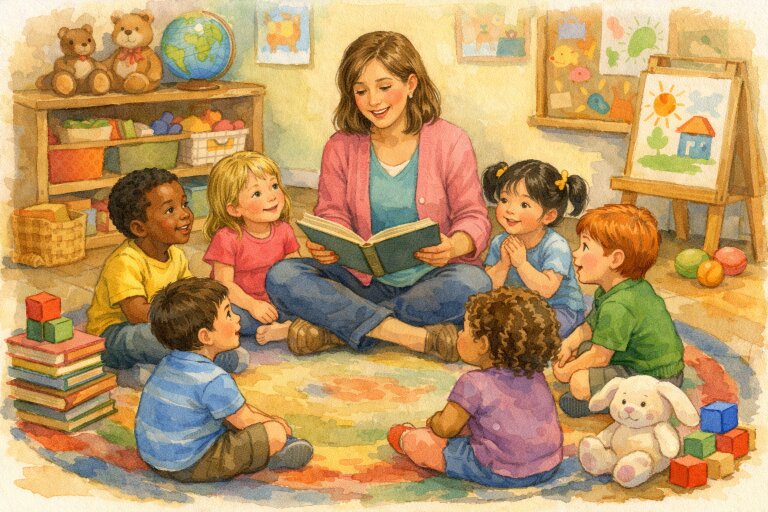
Attending a structured preschool program significantly enhances children’s cognitive development. Children are introduced to early literacy, numeracy, and science concepts through interactive play, collaborative projects, and hands-on learning. These foundational experiences stimulate curiosity, creativity, and the ability to reason and solve problems.
Preschools also foster social intelligence by encouraging children to interact, share, take turns, and negotiate conflicts. These skills are essential for future academic success and building healthy relationships. According to research from the Harvard Center on the Developing Child, supportive, stimulating early environments strengthen brain architecture, which is vital for future learning and behavior.
In addition to basic academic foundations, children in quality preschool settings learn how to express their ideas and emotions in appropriate ways. Teachers guide children in identifying their own feelings and empathizing with classmates, which builds emotional resilience and prepares them for more complex social settings. Regularly being part of group activities helps children develop patience and understand the importance of listening to others, benefiting both classroom collaboration and future teamwork skills.
Structured routines in preschool also enhance executive functioning, such as planning, organizing, and adapting to change. These skills not only contribute to short-term academic readiness but also have lasting effects on independence and adaptability throughout a child’s school experience and beyond.
Health and Behavioral Outcomes
Participation in early childhood education correlates with improved overall health and behavior. Preschool programs encourage physical activity and teach healthy habits, promoting gross and fine motor skill development. Researchers from Stanford University found that public preschool helps make early diagnoses of developmental issues possible, leading to timely interventions that support children’s unique needs.
Furthermore, children who attend preschool demonstrate greater emotional self-regulation and are less likely to develop behavioral problems in elementary school. Early intervention supports positive long-term mental health by addressing social, emotional, and behavioral challenges proactively.
Preschool environments often expose children to a variety of health and wellness topics in engaging ways, such as group exercise, outdoor play, and nutrition-based activities. Learning to wash hands, eat balanced snacks, and recognize when to rest helps children create lifelong habits that contribute to well-being. The emphasis on consistent routines and teacher modeling of best behaviors shapes important life skills, setting children up to thrive physically and emotionally as they grow.
Economic Benefits of Early Education
Investing in preschool brings measurable benefits not only for families and children but also for society as a whole. Studies consistently show that preschool graduates are more likely to graduate from high school, enroll in post-secondary education, and secure stable employment. The economic advantages continue as these individuals tend to contribute more to the economy through higher earnings and lower reliance on social services.
The National Institute for Early Education Research highlights that every dollar invested in high-quality preschool returns between four and nine dollars to society, primarily through reduced remedial education, increased workforce productivity, and lower crime rates.
Additionally, when parents have access to reliable preschool programs, they experience less work-related stress and greater job stability, as they can trust that their children are safe, learning, and growing. This increased workforce participation has ripple effects throughout the economy, supporting family financial health and strengthening communities over time. The broad societal return on investment highlights the power of early childhood education to reduce inequality and improve outcomes across generations.
Importance of Quality in Preschool Programs
The true benefits of preschool depend largely on the program’s quality. High-quality preschools employ well-trained teachers, implement research-backed curricula, and maintain manageable class sizes. These elements help educators provide individualized instruction and emotional support tailored to every child’s learning journey.
Key components of quality programs include safe learning environments, access to age-appropriate resources, and ongoing professional development for staff. Such settings are not only academically stimulating but are also places where children feel respected, valued, and understood.
Quality assurance systems, regular program assessments, and continuous improvement strategies ensure that early education settings remain effective and equitable. Parent feedback and community involvement inform improvements and help shape programs to reflect children’s diverse backgrounds and experiences. By upholding the highest standards, preschools create positive, lasting effects that extend well beyond the years children spend in their care.
Role of Parents and Community
Parental involvement and strong home-school connections are vital for maximizing the benefits of early education. When parents are engaged in their child’s learning, they reinforce the skills and concepts introduced in school, leading to better academic performance and stronger social bonds. Communities also play a key role, offering resources and creating partnerships that enrich classroom experiences and provide wraparound services.
Communities that invest in broad access to preschool are stronger and more resilient, as children are given a fair start and parents feel supported in their role as primary caregivers and educators.
Community organizations, local businesses, and family resource centers can all contribute to early education through mentorship programs, volunteer efforts, and sponsorships. These collaborative networks help children discover a sense of belonging and purpose, connecting young learners and their families with broader support systems. As early learning becomes a shared community value, the positive outcomes reach far beyond school walls, influencing lifelong success for all.
Conclusion
Preschool education forms the bedrock of early childhood development, nurturing cognitive, social, and emotional growth while creating long-term academic and societal benefits. By choosing high-quality preschool programs, engaging in ongoing family support, and fostering strong community connections, children are set up for a lifetime of success. Prioritizing investments in early childhood education ensures all children have the tools and opportunities they need to thrive.
As society continues to evolve, the role of preschool will remain central to raising resilient, capable, and compassionate young people. By embracing high standards, supporting teachers, and empowering families, we build a future where each child’s potential can be fully realized, positioning future generations for achievement and well-being.