












When it comes to estate planning, understanding the duties of a successor trustee is paramount to ensuring a smooth transition and proper trust administration. The person or entity that steps into this role holds a legal and ethical responsibility to act on behalf of the trust and its beneficiaries. If you are navigating trust administration or preparing your estate plan, resources like Mannor Law Group can provide valuable guidance and support throughout this crucial process.
A successor trustee manages a trust if the original trustee is unable to do so due to incapacity or death. They interpret and enforce trust terms, communicate with beneficiaries, manage assets, and meet legal duties. Whether you’re planning for succession or have been named a trustee, understanding this role is crucial, as it affects family relations and beneficiaries’ financial well-being.
Understanding the Role of a Successor Trustee
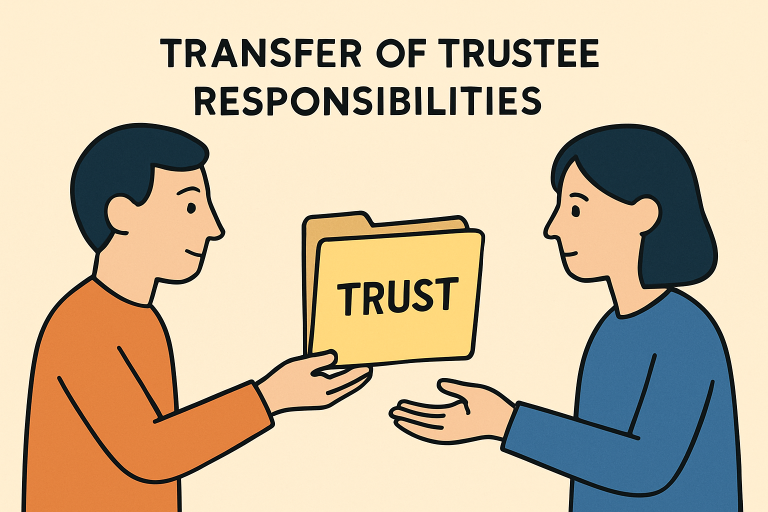
The successor trustee bears the authority and burden of administering a trust if the original trustee is no longer able to serve. This role activates upon the trustee’s incapacitation or passing, making immediate action necessary. The successor must locate and safeguard the trust assets, notify the relevant parties, and begin carrying out the trust’s terms. Understanding these legal and fiduciary responsibilities, such as loyalty, impartiality, and prudence, is fundamental for avoiding disputes or legal complications.
Key Responsibilities of a Successor Trustee
The successor trustee’s job is much broader than simply following instructions in legal documents. This person or institution acts as the trust’s manager, accountant, communicator, and protector. The primary responsibilities fall into several key areas, detailed below.
Asset Management and Protection
Gaining control of and protecting the trust’s assets is a fundamental responsibility. Whether the trust includes property, investments, bank accounts, or business interests, the successor trustee must maintain clear records and make sound decisions in the beneficiaries’ best interests. If assets are mismanaged or left exposed to unnecessary risk, this can lead to costly legal challenges or loss of value.
Proper management often involves assessing investments, securing property insurance, and identifying any assets that require ongoing attention.
Settling Debts and Expenses
Before any distributions can be made to beneficiaries, the successor trustee must ensure all outstanding debts, expenses, and bills are paid. This requires reviewing the decedent’s financial obligations, handling ongoing utility costs or loan payments, and resolving any final bills or claims against the estate. By managing these obligations efficiently, the successor ensures that distributions are not delayed or diminished by later claims.
Tax Compliance and Filing
Tax matters can be particularly complicated in trust administration. The successor trustee is responsible for determining what tax returns must be filed, calculating tax liabilities for both the trust and the decedent’s final income, and ensuring timely payments to federal and state agencies. Often, this process requires the assistance of tax advisors or accountants to ensure compliance with complex regulations and deadlines.
Communicating with Beneficiaries
Transparency and open communication are cornerstones of effective trust administration. The successor trustee should inform beneficiaries of the progress of trust administration, address questions or concerns, and provide regular updates on distributions and changes in asset values. Taking the time to explain decisions and listen to beneficiary feedback helps prevent misunderstandings, disputes, and potential legal action down the road.
Distributing Assets to Beneficiaries
One of the most important responsibilities of the successor trustee is distributing the trust’s assets. The trustee must carefully interpret and execute the trust’s instructions, which may include specific gifts, ongoing income payments, or lump-sum distributions. Proper paperwork, clear communication, and precise record-keeping help ensure the process is fair and efficient for all involved.
Choosing the Right Successor Trustee
Selecting an appropriate successor trustee is one of the most significant decisions when forming a trust. The right choice should be someone known for their financial responsibility, organizational skills, good judgment, and ability to communicate effectively with all parties. Some families opt for an independent fiduciary such as a bank or trust company, especially if the estate is complex or there are concerns about family disputes.
Being a successor trustee is a serious commitment that requires careful attention to both legal details and interpersonal dynamics. By understanding the full scope of responsibilities and seeking professional support where necessary, successor trustees can faithfully administer trusts and carry out the wishes of the grantor for years to come.
Conclusion
Serving as a successor trustee involves far more than stepping into a title—it requires diligence, transparency, and a clear understanding of fiduciary obligations. From safeguarding assets and settling debts to managing taxes, communicating with beneficiaries, and executing distributions, each responsibility plays a critical role in honoring the trust’s intent. When handled thoughtfully and with proper support, trust administration can proceed smoothly and minimize conflict. By recognizing the seriousness of the role and preparing accordingly, successor trustees are better equipped to protect beneficiaries’ interests and faithfully carry out the grantor’s wishes over the long term.