













For small businesses navigating today’s fast-paced digital landscape, maintaining seamless and secure IT operations is a growing challenge. Rapid advancements in technology, combined with the increasing complexity of digital tools and the constant threat of cyberattacks, have made it nearly impossible for small business owners to manage everything alone. Partnering with a reliable IT managed service provider can be a game-changer, helping to boost productivity, secure sensitive data, and level the technology playing field against larger competitors. This partnership enables businesses to focus on their core competencies, while IT experts ensure that systems run smoothly and efficiently.
Cost Management and Predictable Budgeting
Maintaining IT internally often comes with unpredictable expenditures for hardware upgrades, emergency repairs, and licensing fees. Instead, managed IT services and professional computer support implement stable monthly pricing, allowing business leaders to forecast costs more confidently. According to Crescent Tek, organizations that utilize managed services can reduce their operating costs by up to 25%, providing them with extra room to invest where it matters most. This predictable budgeting model is especially valuable for startups and growing businesses that need to carefully allocate resources without being blindsided by hefty technology bills or unexpected repairs. In addition, managed service providers (MSPs) can help optimize licensing, consolidate vendors, and recommend hardware lifecycles, minimizing waste and redundancy while maximizing value from every IT dollar spent.
Proactive Maintenance and Reduced Downtime
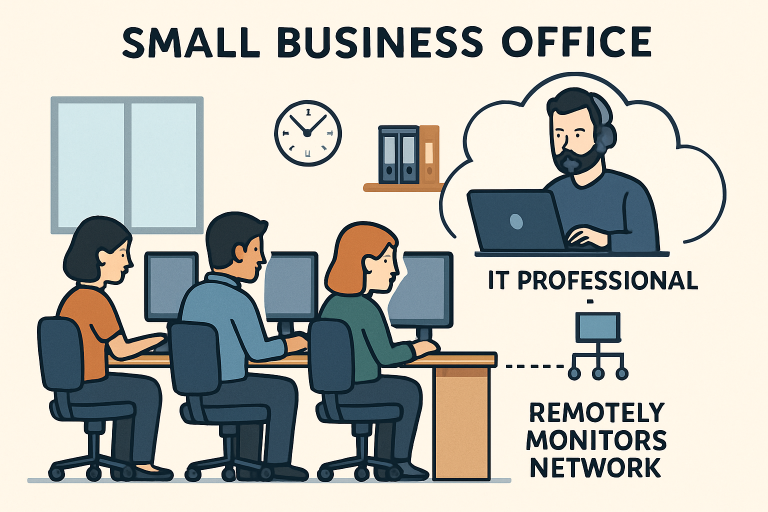
Unexpected downtime isn’t just frustrating—it’s costly. Disruptions grind productivity to a halt, delay communication with customers, and can even harm a business’s reputation. With MSPs providing regular system audits, monitoring, and rapid incident response, businesses can minimize unplanned outages and maintain consistent operations. Proactive maintenance includes the timely installation of software updates, the detection of failing hardware, and the prevention of malware infections. Companies adopting proactive IT strategies typically report a boost in efficiency, with fewer disruptions and less lost productivity across teams. In the long run, this means not only smoother daily operations but also a better experience for customers, who enjoy uninterrupted services and more reliable interactions.
Access to Expertise and Advanced Technologies
Building an in-house IT department with up-to-date skills is impractical for most small businesses. The rapid pace of technological change makes it difficult for one or two employees to remain experts in all areas—from cybersecurity and networking to cloud migration and data analytics. Managed IT services provide access to professionals specializing in a wide range of areas, including cloud migration and cybersecurity. This pool of expertise ensures that issues are resolved swiftly, allowing businesses to adopt best-in-class solutions without the need for extensive recruitment or retraining. MSPs stay current with technology certifications, emerging tools, and compliance standards, so clients always have the latest guidance at their fingertips. This access accelerates transformation, keeps systems competitive, and reduces the risks associated with outdated infrastructure or misconfigurations.
Enhanced Security and Compliance
Small businesses are increasingly targeted by cybercriminals, with attacks becoming more sophisticated every year. The impact of a breach can be devastating, resulting in financial loss, regulatory penalties, or long-term damage to the brand. MSPs safeguard data through layered security defenses, regular software patches, and compliance monitoring for regulations such as HIPAA or GDPR. iMedia Technology highlights that businesses using MSPs experience significantly fewer cybersecurity incidents—often a 60% reduction—thanks to ongoing vigilance and best-practice protocols. Providers also offer security awareness training for staff, vulnerability assessments, and intrusion detection, protecting not only the company’s internal assets but also customer data and reputation.
Scalability and Flexibility
Growth brings new technical challenges. Whether it’s expanding offices or integrating new software tools, MSPs enable seamless scaling without incurring burdensome capital investments. Flexible service agreements enable easy addition or removal of features, ensuring that IT consistently supports the business trajectory—without overspending or unnecessary delays. Companies that modify their workforce size or launch new product lines can easily adapt IT support to fit changing requirements. This level of responsiveness is crucial for staying competitive in today’s environment, where agility often determines survival or success. MSPs also help businesses test and roll out new technologies with minimal risk, positioning them to benefit from innovation faster than their peers.
Focus on Core Business Functions
When IT runs smoothly, business leaders and employees can focus on their core responsibilities. Offloading technology management frees up valuable time, driving innovation and supporting customer service, sales, and product development. Research from BNMC confirms that MSP engagement leads to greater productivity, as staff devote fewer hours to troubleshooting systems and more to strategic initiatives. By reducing the days lost to IT issues, businesses can channel their workforce’s talents toward projects that add value, foster creativity, and drive revenue growth. This focus enhances employee morale, improves the workplace environment, and enables executives to pursue partnerships, new markets, and innovative ideas with confidence.
Improved Decision-Making with Data Analytics
Many MSPs now offer integrated data analytics and performance dashboards, providing business owners with actionable insights into their operations, workflows, and infrastructure health. Real-time access to system metrics, usage trends, and network performance provides a clear picture of how technology is supporting business activities. By tracking key performance indicators (KPIs), businesses can quickly identify inefficiencies, optimize resource utilization, and make more informed investments in future growth initiatives. Access to on-demand analytics supports informed leadership and sharper, data-backed decisions. Over time, this insight can highlight opportunities to automate routine processes, eliminate bottlenecks, and anticipate the resources required for expansion or new ventures, resulting in a more agile and resilient organization.
Final Thoughts
Managed IT services help small businesses bridge the gap between technology demands and limited internal resources, delivering cost savings, enhanced security, increased efficiency, and the capacity for growth. By relying on industry experts, small businesses can harness the power of technology to fuel sustainable success—without the hassles and risks of going it alone. Adopting a managed services approach not only reduces operational burdens but also positions businesses of any size for greater competitiveness and long-term resilience in an ever-evolving digital marketplace.