











Protecting your living space from pests is an ongoing process that requires awareness, diligence, and the right resources. Your home should be a sanctuary, but it can easily become a haven for unwelcome guests if preventative steps are overlooked. From insects and rodents to spiders and flies, various pests bring inconvenience and potential health hazards. Engaging professional pest control services can be an invaluable step, but adopting daily preventative measures makes a significant difference too.
Effective pest prevention starts with understanding the behaviors and risks associated with these intruders. Practical habits and a proactive mindset are critical in keeping infestations at bay. Avoiding common pest problems gives you greater control over your home’s comfort, cleanliness, and safety. Whether you’re a homeowner, renter, or property manager, a pest-free environment ensures peace of mind and reduces the need for frequent chemical interventions.
Pests can adapt to many living environments, and once inside, they multiply quickly, increasing the potential for damage. Unchecked pest activity can result in structural issues, contaminated surfaces, and allergens. These concerns affect not only your home’s integrity but also the health of your household members, especially children, seniors, and pets.
Early identification and intervention are crucial. Instead of waiting for an infestation to take root, consider the range of integrated solutions available. Sometimes, recurring issues may demand specialized assistance beyond simple home remedies, pointing to the importance of reliable extermination services to eliminate the root of the problem and provide tailored prevention advice.
Common Household Pests
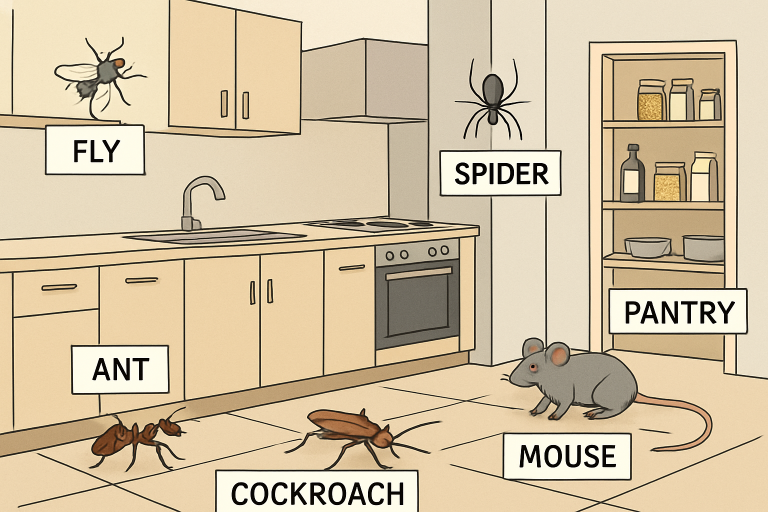
Identifying which pests are likely to invade your home is the first step to successful prevention. The most frequently encountered pests include:
- Ants: Drawn to sugary foods and crumbs, ants often form long foraging trails inside kitchens and pantries.
- Cockroaches: Resilient insects that thrive in moist, dark spaces, known to spread bacteria and aggravate allergies.
- Rodents: Mice and rats can chew through walls and wires, endanger food supplies, and carry diseases like salmonella and hantavirus.
- Spiders: While most are not dangerous, some—like the black widow or brown recluse—can pose risks to household members.
- Flies: Attracted to food scraps and waste, flies quickly contaminate surfaces and transmit pathogens.
Maintain Cleanliness
Routine cleaning is your first line of defense. Sweep, vacuum, and mop floors frequently to eradicate crumbs and spills. The kitchen is especially vulnerable to pests, making it essential to wipe down countertops, empty trash bins regularly, and keep the sink free of dirty dishes. Bathrooms and laundry rooms should remain clean and dry, as excess moisture attracts cockroaches and silverfish. According to the Centers for Disease Control and Prevention (CDC), maintaining cleanliness significantly disrupts pest breeding grounds.
Store Food Properly
Food storage is a key element of pest prevention. Use airtight containers for human and pet foods to block access points for ants, cockroaches, and rodents. Items such as cereals, grains, sugar, and flour are prone to pest invasion if exposed. Regularly check expiration dates and rotate pantry goods to prevent spoilage that may draw pests. Controlling how and where you store food establishes a less attractive environment for opportunistic pests.
Seal Entry Points
Even tiny cracks and gaps can serve as highways for rodents and insects. Inspect your home’s foundation, window and door frames, and areas where pipes enter walls. Use quality caulking and weather stripping to seal any observed openings. Repair damaged screens and install door sweeps where needed. The New York Times pest prevention guide recommends regular inspection and maintenance to minimize the likelihood of surprise infestations.
Manage Moisture Levels
Standing water and high humidity are magnets for pests like cockroaches, mosquitoes, and termites. Fix leaky pipes and drainage problems promptly, and use dehumidifiers in basements, crawlspaces, and bathrooms where excess water accumulates. Dry out pet water bowls at night and ensure your gutters function properly to divert water away from the foundation.
Declutter and Organize
Cluttered living spaces provide ample hiding spots for pests. Regularly sort through storage areas like basements, attics, closets, and garages. Replace cardboard boxes with sturdy, sealed bins that pests cannot chew through. Discard unused items and piles of papers neatly off the floor. An organized home looks better and removes potential nesting sites for common intruders.
Use Natural Pest Deterrents
Natural deterrents can be effective and environmentally friendly if you’d prefer to avoid chemical pesticides. Essential oils—such as peppermint, eucalyptus, and lavender—can help keep ants, spiders, and flies at bay. Simply dilute with water and spray around entryways, windowsills, and suspected problem areas. Cleaning surfaces with vinegar can disrupt ants’ scent trails. Sprinkling diatomaceous earth around common entry points provides a non-toxic barrier against crawling insects. The Better Homes & Gardens pest control resource offers additional ideas for natural pest management.
Regular Inspections
Adopt a habit of routinely inspecting your home—even in less-frequented areas. Look for warning signs such as droppings, chewed packaging, damaged woodwork, or musty odors, which may signal active pest presence. If you spot evidence of critters, take prompt action with traps, deterrents, or professional help. Timely intervention prevents minor problems from becoming major infestations. For persistent or escalating concerns, contacting a trusted pest control provider ensures a thorough assessment and tailored solution.
Conclusion
Maintaining a pest-free home is all about a proactive approach—balancing good hygiene, diligent organization, and routine maintenance. While natural and do-it-yourself strategies are often effective, stubborn infestations warrant the expertise of trained pest control professionals. Applying these prevention tips lets you enjoy a comfortable, safe, and healthy home year-round.