











Introduction
As industries expand globally, the necessity to address environmental challenges intensifies. Among the most pressing concerns is the responsible management of water resources. Industrial wastewater treatment plays a pivotal role in supporting businesses to operate sustainably by minimizing the harmful impacts of industrial processes. This crucial step not only aids in environmental conservation but also aligns with regulatory and ethical business standards.
Effective wastewater management involves more than legal compliance—it is vital for resource efficiency and sustainable growth. It encompasses innovative treatment processes, energy optimization, and enhanced operational methods that uphold both ecological and economic values. With growing recognition of the interdependence between industry and the environment, adopting forward-thinking wastewater solutions has become integral for modern operations.
Environmental Effect of Untreated Industrial Wastewater
Without proper treatment, industrial wastewater releases hazardous substances directly into natural water systems, leading to environmental degradation. Pollutants such as heavy metals, solvents, and toxic organics disrupt aquatic ecosystems by contaminating water sources and posing dangers to both wildlife and human health. These contaminants can accumulate in the food chain, potentially causing long-term ecological harm and increased treatment costs for local communities.
Addressing the risks at the source with advanced treatment technologies is a proactive measure that not only prevents environmental disasters but also supports sustainable water cycles. By eliminating toxic discharges, industries help safeguard global water resources and achieve international environmental objectives. According to the U.S. Environmental Protection Agency, rigorous treatment standards are imperative for industries to minimize unintended consequences on waterways and groundwater.
Advancements in Wastewater Treatment Technologies
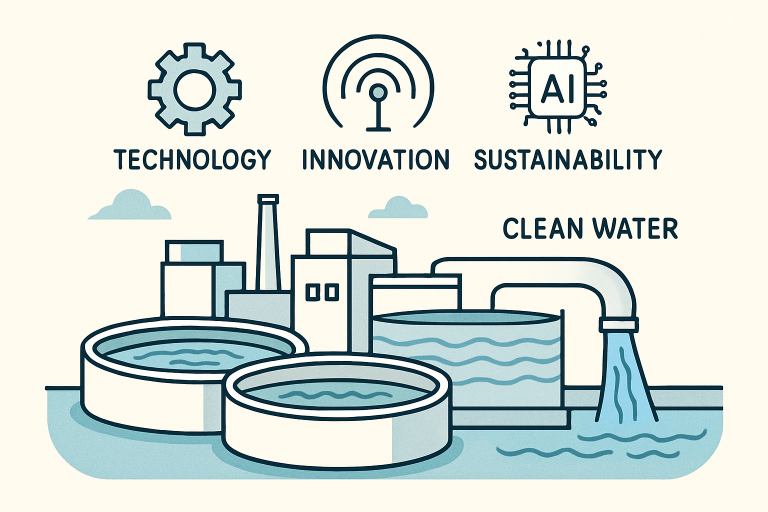
Rapid advancements in wastewater treatment technology have changed the landscape of industrial sustainability. Techniques such as membrane bioreactors (MBRs), moving bed biofilm reactors (MBBRs), and advanced oxidation processes (AOPs) can significantly improve contaminant removal rates compared to traditional methods. These innovations allow industries to efficiently neutralize even the most resilient pollutants and meet increasingly stringent discharge standards.
The integration of artificial intelligence (AI) and the Internet of Things (IoT) in treatment plants further enhances the performance and efficiency of industrial wastewater systems. AI-driven analytics optimize process controls, reduce operating costs, and ensure regulatory compliance, while IoT-enabled sensors provide real-time data, enabling timely adjustments to system parameters. This progressive approach ensures that industrial operations remain agile and environmentally responsible.
Energy Efficiency and Renewable Energy Integration
Wastewater treatment plants are traditionally energy-intensive, utilizing significant amounts of electricity for aeration, pumping, and other essential processes. However, new strategies focused on energy efficiency—such as optimized aeration regimes and high-efficiency pumps—are helping facilities reduce their energy footprint. Integrating renewable energy sources, such as solar panels or wind turbines, further cuts greenhouse gas emissions and operational costs.
One notable trend is the production and use of biogas from anaerobic digestion. This renewable energy source not only supplies power for on-site operations but also reduces dependency on fossil fuels and decreases overall carbon emissions. Facilities that maximize energy recovery underscore the principle of turning waste into a valuable resource, advancing both ecological and economic goals.
Resource Recovery and Circular Economy
The adoption of resource recovery in industrial wastewater treatment is transforming waste from a liability into an asset. Through processes such as nutrient recovery and water reuse, industries can extract phosphorus, nitrogen, and other valuable materials from wastewater. These recovered resources serve as raw materials for fertilizers or other industrial applications, supporting a closed-loop or circular economy.
Water reuse also plays a crucial role in sustainability efforts. By recycling treated wastewater for non-potable industrial purposes or landscape irrigation, companies conserve freshwater supplies and reduce their environmental footprint.
Regulatory Compliance and Environmental Responsibility
Navigating the complex landscape of environmental regulations is essential for sustainable business operations. Adherence to these regulations is more than a legal obligation—it is also an expression of corporate social responsibility and environmental stewardship. Compliance minimizes the risk of fines and legal challenges, while also boosting reputation among stakeholders, regulators, and customers. Proactive engagement with evolving standards demonstrates a commitment to sustainability and ethical operations, helping companies stay ahead of regulatory trends and contribute positively to global environmental goals.
Economic Benefits of Effective Wastewater Management
Investing in efficient wastewater treatment delivers significant financial advantages for industrial enterprises. Advanced treatment upgrades can lead to water conservation, reduced energy use, and lower compliance and waste-disposal costs. In addition, selling recovered nutrients or energy can diversify income streams and enhance profitability. Beyond cost savings, sustainable wastewater practices elevate brand image and foster consumer trust. Companies that prioritize environmental solutions not only meet stakeholder expectations but also position themselves as industry leaders in sustainability, creating long-term business value and competitive differentiation.
Conclusion
Achieving sustainable industrial operations depends heavily on robust wastewater management. With evolving technologies, a shift towards energy efficiency, and an emphasis on circular resource flows, industries have the tools to minimize environmental impact while unlocking economic value. By embracing comprehensive treatment strategies and exceeding regulatory standards, industries secure a resilient future for both their operations and the environment at large.