











Maintaining peak performance and reliability in your fabrication shop starts with proper care of your Amada press brake machine and other precision equipment. A strong preventive maintenance program safeguards your investment, ensuring that costly disruptions are minimized and output quality remains consistently high for every project you handle.
By taking a proactive approach to equipment upkeep, fabricators can prevent minor issues from developing into significant problems, reduce downtime, and extend the overall lifespan of Amada machines. Preventive maintenance routines also protect operators by ensuring safer working conditions, and they reinforce operational efficiency, which is key to meeting production targets and maintaining client satisfaction.
The benefits reach far beyond just technical performance. Regular checks and servicing can help you avoid unexpected expenses linked to emergency repairs or part replacements. Whether your operation includes CNC lasers, turret punch presses, or press brakes, a thoughtful maintenance strategy builds resilience against unforeseen failures and supports lean manufacturing initiatives.
Consistent attention to detail and a keen focus on machine health are the foundation of modern fabrication success. Leveraging expert guidance and the right resources empowers your maintenance team to make smarter decisions that support business growth and production excellence.
Importance of Preventive Maintenance
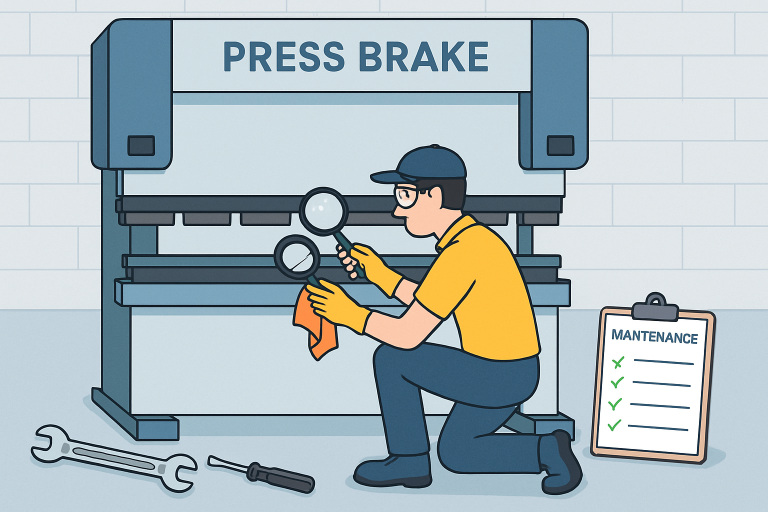
At its core, preventive maintenance is about regularly scheduled inspections and servicing to prevent breakdowns before they occur. For fabricators relying on Amada machines, this principle is a critical driver of performance and productivity. Unplanned downtime can quickly disrupt workflow, delay customer orders, and add extra costs to your bottom line. Research published by IndustryWeek shows that businesses with robust preventive maintenance programs often experience fewer unexpected equipment failures, greater throughput, and improved profitability as a result.
Moreover, preventive maintenance is not just about technical reliability—it’s also about workplace safety. Worn components, hydraulic leaks, or electrical issues can put operators at risk. A structured approach, therefore, protects both your people and your production schedule, making it a must-have for any professional fabrication environment.
Developing a Maintenance Schedule
An effective maintenance schedule is tailored to you and becomes more severe as the shop’s operating conditions change, taking into account both the manufacturer’s guidelines and real-world machine usage. For Amada machines, a balanced schedule generally breaks down tasks by daily, weekly, monthly, and annual intervals. Daily checks might include visual inspections and basic cleaning, while more in-depth diagnostics and component replacements are scheduled less frequently.
Factors to Consider
- Manufacturer’s recommendations: Reference your Amada manual for intervals and methods.
- Operating hours: High-utilization machines may require more frequent attention.
- Environmental conditions: Shops with higher dust or humidity levels may require more rigorous routines.
- Historical data: Review maintenance logs to identify trends and spot recurring issues.
Automating reminders with maintenance management software and keeping records of completed tasks can further streamline the process and enhance accountability within your team. Discover best practices in preventive scheduling at Maintonia Magazine.
Essential Maintenance Tasks
Preventive maintenance encompasses several core routines essential for the health of Amada machines:
- Lubrication: Frequent lubrication of the machine’s moving parts reduces friction and wear, helping to maintain high-precision operations.
- Cleaning: Removing chips, dust, and residue from surfaces and covers minimizes the risk of contamination, overheating, and electrical failures. Pay particular attention to sensor arrays and airflow vents.
- Inspection: Detailed examinations of hydraulic, mechanical, and electrical systems allow early detection of leaks, corrosion, or component fatigue. Compare readings and test results with baseline figures.
- Calibration: Accurate machine calibration is essential for delivering the tight tolerances required in modern fabrication. Follow Amada’s calibration guides and use certified gauges as needed.
Training and Documentation
Well-trained personnel are your first line of defense in preventing avoidable machine failures. Provide continuous education on inspection, troubleshooting, and safe operating practices—especially when onboarding new staff or introducing new equipment. Detailed documentation should accompany every maintenance activity, including parts replaced, repairs made, and any anomalies observed.
Best Practices
- Maintain an up-to-date maintenance logbook for each machine.
- Encourage staff to report unusual sounds, behaviors, or warning messages immediately.
- Implement periodic refresher training sessions to address new technology or procedure changes.
Leveraging Professional Services
While your in-house team can manage routine maintenance, periodic work by qualified service providers can be vital—especially for complex inspections or major repairs. Professional technicians bring specialized tools, a deep knowledge of Amada systems, and the ability to solve uncommon problems quickly. Many service companies offer preventive maintenance contracts that include regular on-site visits, priority support, and rapid diagnostics to further reduce downtime risks.
Engaging with external experts allows your team to focus on core production while benefiting from the experience and resources of industry specialists.
Monitoring and Improving Maintenance Practices
Periodic audits and feedback sessions foster a culture of continuous improvement. Involving your operators and maintenance staff in reviewing past activities and identifying areas for procedural refinement is essential. Adopting new diagnostic technologies, such as vibration monitoring or thermal imaging, can add further value and reveal hidden issues before performance dips or stoppages occur.
Remaining vigilant and adapting to advances in maintenance methods ensures your Amada machines consistently deliver at the highest level. Regularly consulting reputable resources, such as Machine Design, can keep your team informed about the latest strategies and tools in the field.
By implementing a comprehensive preventive maintenance strategy based on careful planning, routine checks, and ongoing education, fabricators position themselves for long-term productivity, safety, and success in today’s fast-paced and competitive manufacturing environment.